
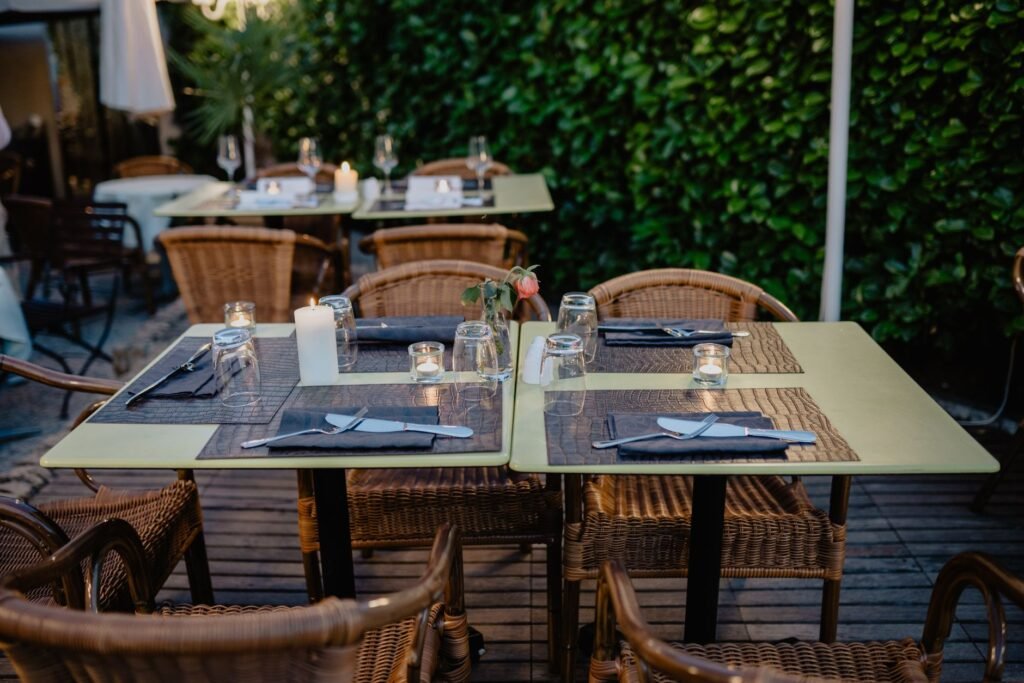
Dutch restaurants and cafés are expected to see virtually no real growth this year as consumers cut back on dining out in response to rising menu prices.
According to a research report released by ING, overall prices in the hospitality sector are set to climb by an average of five percent in 2026, driven by ongoing inflation and higher tax rates on accommodation.
Transaction data from the bank reveals that establishment sales volumes fell by 1.6 percent during the first half of this year compared to the same period in 2025.
Although total revenue rose by nearly three percent over that time, analysts noted that the figure was entirely fueled by price increases rather than a higher volume of customers.
Changing habits and rising operating expenses
Operating costs for local hospitality businesses have risen steadily over recent years.
By late 2025, prices across the sector were roughly 25 percent higher than in 2022, largely due to escalating commercial rents, higher energy bills, and increased labor expenses.
Survey data indicates that roughly two-thirds of diners now view current restaurant and café prices as prohibitive.
These financial pressures have significantly altered how people go out.
A recent consumer poll found that three out of ten restaurant guests now actively cut back while dining, frequently skipping appetizers, desserts, or additional drinks to manage their bills.
Non-negotiable household expenses like groceries and fuel are leading many residents to view dining out purely as an occasional luxury.
Adapting business operations to offset pressure
With consumer spending tightening, venue owners are shifting their operational strategies to remain profitable. Local hospitality groups and independent venues are increasingly adjusting their service models to streamline kitchen operations and manage staff shortages.
To raise labor productivity, many kitchens are shortening their menus to cut prep times and reduce food waste.
Other establishments are adopting structured dining windows with strict reservation slots to maximize table turnover during peak evening hours, a trend that ING analysts predict will remain key to operator survival into 2027.
Planning a meal out? Browse our guide to eating out in Amsterdam.


![Top [count] Travel Blogs to Follow - OnToplist.com](https://www.ontoplist.com/images/ontoplist31.png?id=6a8dcf108f478)