
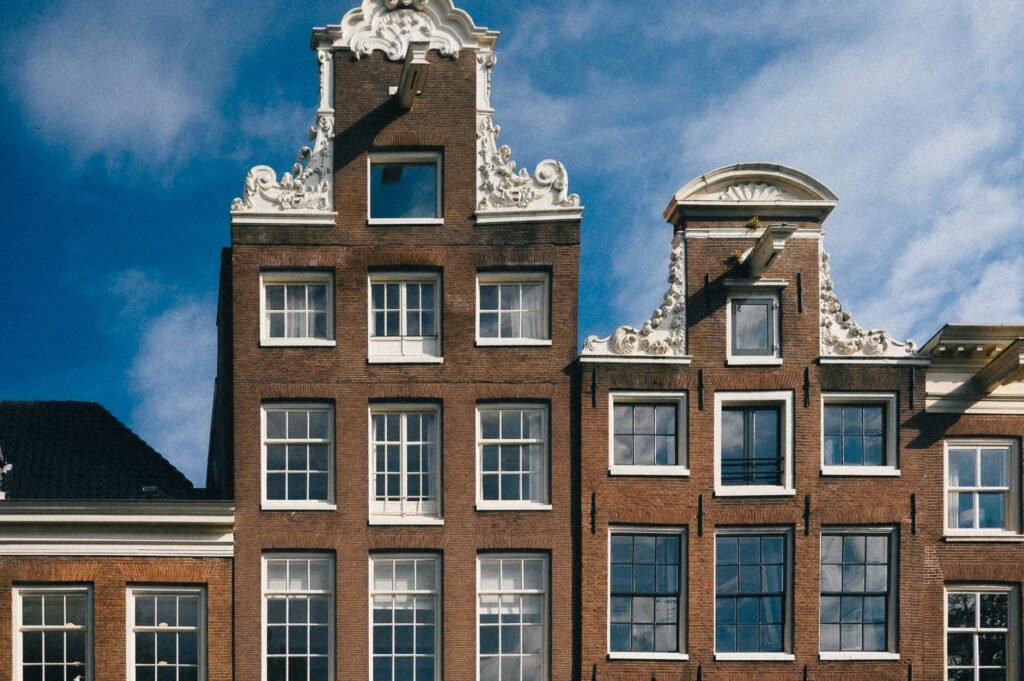
Navigating the housing market in Amsterdam and across the Netherlands often comes with a steep learning curve for newcomers.
While tenant protections in the country are generally strong, Dutch rental law contains several unusual provisions that remain fully legal for landlords to enforce.
Understanding these rules ahead of time can help renters avoid unexpected expenses or misunderstandings when signing a contract.
Bare floors and furniture takeovers
One of the most widespread quirks is the custom of handing over properties in a bare, uncarpeted state, known locally as kaal.
Under standard civil law, tenants are expected to return a property in the exact condition they received it, which prompts outgoing residents to take their floor coverings with them.
As a result, new tenants often arrive to find exposed concrete subfloors and are expected to purchase and install laminate or carpet at their own expense.
Related to this practice are takeover costs, known as overnamekosten.
Departing tenants frequently offer to sell items like curtains, light fixtures, or flooring to the next occupant.
While tenants are under no legal obligation to purchase these items, incoming renters often feel pressure to agree in competitive housing markets.
Deposits and minor repairs
Financial expectations upfront can also be substantial.
Under national regulations managed by the Rijksoverheid, landlords are permitted to request a security deposit equal to a maximum of two months’ basic rent.
Landlords are legally required to refund this amount within 14 days of the lease ending, provided there is no unpaid rent or damage beyond normal wear and tear.
Day-to-day maintenance is another area where responsibilities are split differently than in many other countries.
While landlords are responsible for major structural upkeep like heating boilers and roof repairs, tenants are legally required to fix minor issues themselves.
Replacing broken showerheads, changing lightbulbs, and repairing interior door handles fall entirely on the resident.
Short-term leases and advice
Tenants should also watch out for diplomatic clauses in sublet agreements.
This setup allows landlords traveling abroad to reclaim their home on a set date, meaning leases cannot be extended once the fixed period ends.
Renters who face unexpected deposit deductions or unclear contract clauses can seek free assistance through Het Juridisch Loket, which provides independent legal advice across the country.
Those looking for housing should also remain vigilant against scam listings, as fake housing ads on social media continue to pose risks for students and international workers.
Before you sign a lease, use our Amsterdam rental contract checklist to know what to look for.


![Top [count] Travel Blogs to Follow - OnToplist.com](https://www.ontoplist.com/images/ontoplist31.png?id=6a8dcf108f478)