
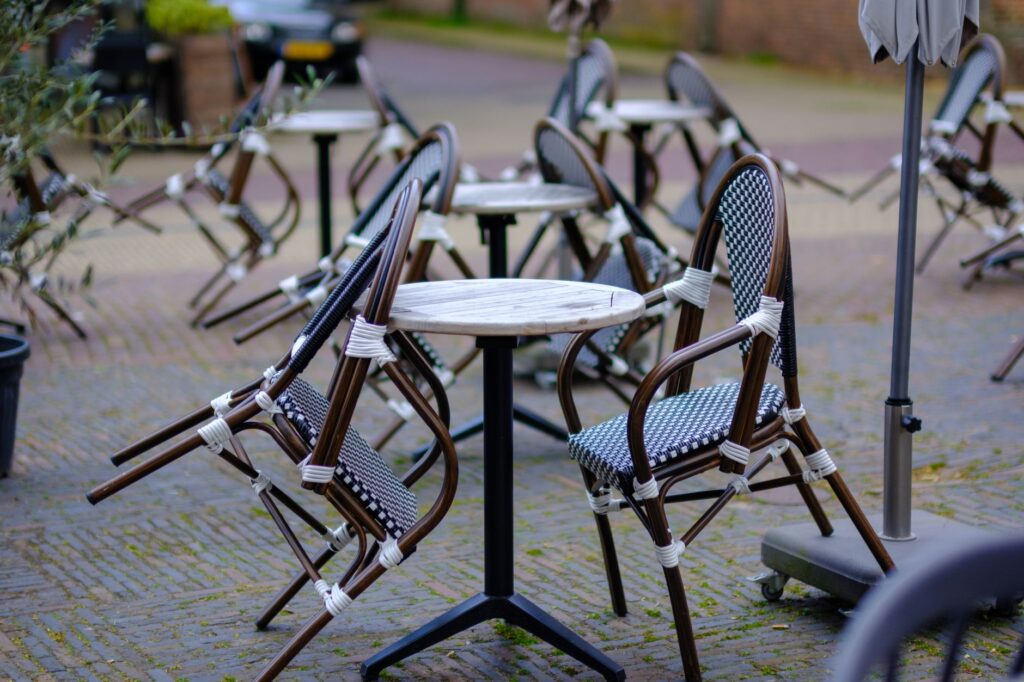
Neighborhood enforcement policies are sparking debate in Amsterdam after local council officers began treating simple wall-mounted benches outside businesses as unpermitted terrace space.
The issue gained fresh attention after code enforcement officers ordered business owners on Purmerplein to keep their drop-down wooden benches closed, arguing that unfolded seating constitutes an illegal extension of outdoor dining permits.
Enforcement rules versus daily mobility
For elderly residents and individuals with reduced mobility, these modest seats along storefronts serve as crucial resting spots during daily errands, such as walking down the Dapperstraat toward local markets.
Critics argue that removing casual seating harms vulnerable community members who find public park benches less accessible or secondary to storefronts where natural supervision exists from shopkeepers.
Municipal rules require sidewalks to remain broad enough for wheelchairs, strollers, and pedestrians, but critics point out that strict application often targets harmless neighborhood features.
Broader tensions over public space regulations
This conflict reflects ongoing frustration among locals about growing bureaucracy in public space management, similar to recent warnings about municipal red tape affecting cultural events.
Supporters of the simple benches emphasize that business owners maintain safety and order right outside their front doors, offering safer resting places than unmanaged public squares.
The debate highlights a growing tension between maintaining neat public order and preserving the practical, spontaneous social encounters that define traditional neighborhood life in the City of Amsterdam.
Many residents are calling on local officials to distinguish between massive commercial outdoor seating areas and minor, low-impact wall benches that help keep the city accessible for everyone.
Want to know how to raise a concern with the city? Read our guide to Amsterdam local government.


![Top [count] Travel Blogs to Follow - OnToplist.com](https://www.ontoplist.com/images/ontoplist31.png?id=6a8dcf108f478)