
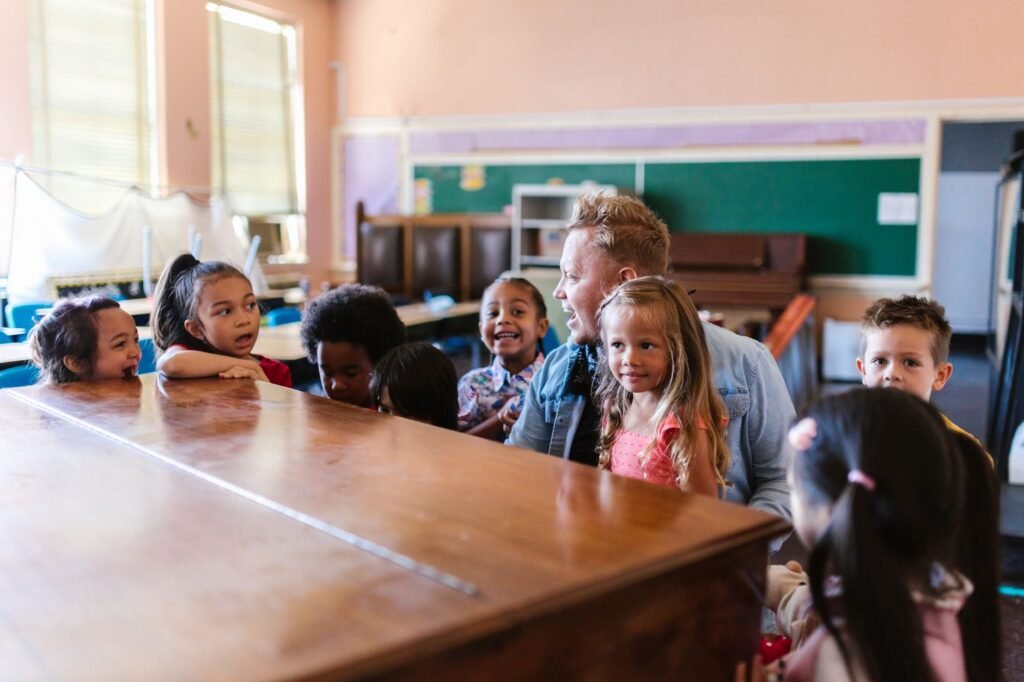
Dutch primary schools are now expected to accommodate the languages pupils speak at home, including Turkish, Polish, Arabic and English.
New national curriculum standards encourage teachers to let students use their mother tongue to prepare for class or work through difficult subjects if it helps their learning.
The change stems from updated core objectives for the Dutch language that took effect as law in August.
Flexibility for teachers
About a quarter of people aged 15 and older mainly speak a dialect, a regional language, or a foreign language at home, according to the national statistics office CBS.
Addressing multilingualism and children’s linguistic identity is now compulsory for primary schools. However, letting pupils converse or prepare in their home language remains advisory rather than a strict mandate.
Schools have until 2031 to integrate the new core objectives into their daily teaching, leaving individual schools to decide their approach for now.
Divided reactions from educators
Primary education language adviser Joanneke Prenger recommended that parents speak the language they know best with their children. She explained that building a strong primary language base provides a better foundation for learning Dutch.
The guidance reverses previous official recommendations that urged parents to speak Dutch at home whenever possible.
Some teachers remain sceptical of the guidance amid declining national reading scores. Thomas Hendriks, an Amsterdam teacher working with pupils who have language gaps, noted that allowing pupils to switch languages makes it harder for teachers to follow classroom discussions.

![Top [count] Travel Blogs to Follow - OnToplist.com](https://www.ontoplist.com/images/ontoplist31.png?id=6a8dcf108f478)