Home care in the Netherlands is funded from three different pots, and knowing which one you are in decides who you telephone.
Household help comes from the council, nursing and personal care come from your health insurer, and round-the-clock care comes from a national long-term scheme.
Almost every wasted month in this process is someone applying to the council for nursing, or to an insurer for cleaning.
The two are separate systems with separate assessments and separate bills.
How To Arrange Care At Home In Amsterdam
For help with the household, the route is the gemeente under the Wmo.
Amsterdam expects you to look first at what family, friends, neighbours or volunteers can do, and a buurtteam will tell you what exists locally before you apply at all.
The council’s own conditions are specific enough to check yourself in a minute.
You have to live in Amsterdam and be registered there, be unable to run the household because of a physical or mental limitation, have a partner or housemates who cannot cover it, and hold no indication under the Wet langdurige zorg.
Two details catch people out.
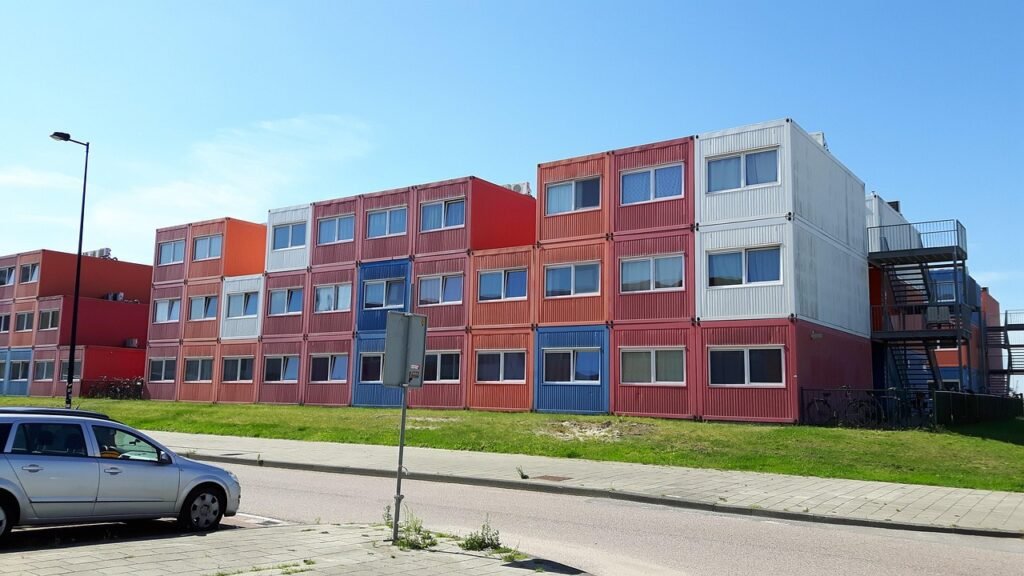
One indication is granted per home rather than per person, even when two people in the household need help, and the help works only in your own dwelling - in a rented room or a Fokuswoning, only your own room counts.
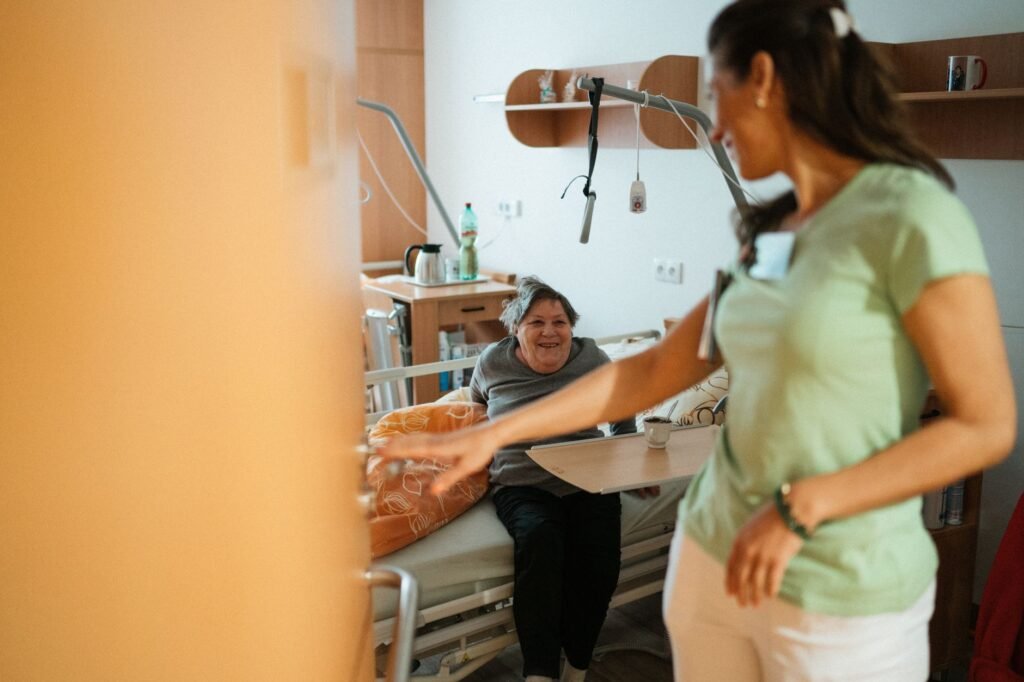
For nursing and personal care, skip the council and approach a thuiszorg organisation directly.
They assess what is needed and bill your health insurer, and in urgent situations the council has a route for immediate household help rather than making you wait out an assessment.
What Services You Can Receive At Home
Household help under the Wmo covers more than cleaning, and the list is worth reading before you assume something is excluded.
It runs to dusting and vacuuming the living room and bedroom, cleaning the bathroom, kitchen and toilet, washing the outside of the windows, garden work such as mowing, small repairs such as replacing a bulb, and ironing bed linen, towels and tea towels.
Pets are included, which surprises most applicants.
Feeding and walking an animal and cleaning a litter tray are all within scope, and so is shopping unless the council establishes that you have another way of getting it done.
Nursing care at home is a separate service and a different skill set.
It covers wound care, injections, stoma and catheter management, medication administration, and personal care such as washing and dressing, delivered in scheduled visits rather than continuously.
Night care and twenty-four-hour cover exist but sit largely in the private market.
Zuster Jansen on Asterweg in Noord is one of the Amsterdam agencies built specifically around private round-the-clock and night care, which is the gap the publicly funded services rarely fill.
Costs, Insurance, And Care Coordination
Wmo household help carries a personal contribution, and it is billed by the CAK rather than by the council or the cleaner.
Expect the invoice to arrive separately from everything else and to look, at first, like a mistake.
Once an indication is granted you choose how it is delivered.
Zorg in natura means the council contracts a provider and handles the administration; a persoonsgebonden budget puts the money under your control so you can hire and direct someone yourself, with the paperwork that implies.
Nursing and personal care are paid by your health insurer under the basic policy, which is why the provider asks for your insurance details rather than a council decision letter.
Ask any agency at the first call whether they are contracted with your insurer, because that answer determines whether you are reimbursed in full.
Amsterdam has a deep field of thuiszorg providers and the practical differences are coverage area and staffing continuity.
Ariane Zorg works out of Slotermeerlaan in Nieuw-West, HerfstZorg from Pond Sterlinglaan and Milano’s care from Keurenplein in the same district, and all three are worth ringing to ask how many different carers a client typically sees in a week.
When Home Care Is Better Than Facility-Based Support
Home care fits when the need is specific and bounded: a wound to dress, medication to manage, a household that has become too much, a recovery with an end date.
It also fits where the person is safe alone between visits, which is the question that actually decides it.
A care home becomes the right answer when supervision is needed continuously rather than at intervals.
Night wandering, repeated falls, swallowing problems and advanced dementia are the situations where scheduled visits stop being enough, however good the agency.
The middle ground is where families lose time.
Private night care can bridge a bad month, and personal alarm systems cover the gap between visits, but neither substitutes for a Wlz assessment once the need is genuinely continuous.
Start the long-term assessment before you are certain you need it.
An indication that arrives during a crisis is worth much less than one already in place, and having it does not oblige you to use it.
Frequently Asked Questions
These three questions cover the practical part: who to call, what you get, and how to check the number is real.
How do I choose the right home care provider in Amsterdam for my family member?
Start by establishing which system you are in, because the council handles household help and health insurers handle nursing, and then ask providers whether they are contracted with the relevant insurer.
The question that separates good agencies from adequate ones is how many different carers a client sees in a typical week, since continuity matters more than any brochure.
What services are typically included in at-home nursing and personal care in Amsterdam?
Nursing covers wound care, injections, catheter and stoma management and medication, while personal care covers washing, dressing and mobility support.
Household work such as cleaning, laundry, small repairs and pet care sits under the council’s Wmo scheme instead, and is assessed separately.
How can I find and verify the correct phone number and contact details for a care facility in Amsterdam?
Use Zorgkaart Nederland, the national database of care providers, and cross-check against the organisation’s own website rather than trusting a search result.
For council services, go through the gemeente or a buurtteam, which will also tell you whether an urgent-situation route applies to you.