
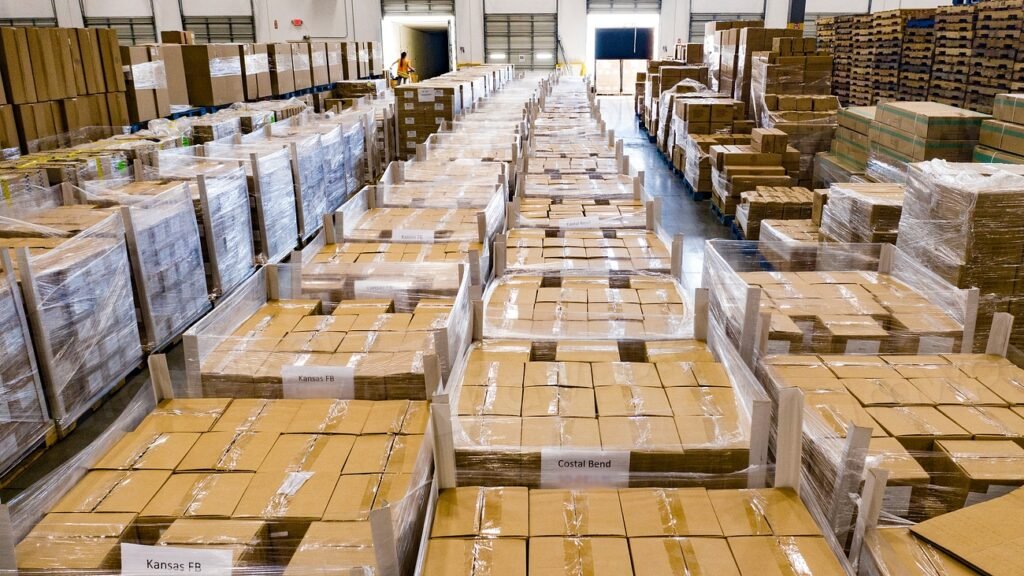
Logistics facilities across the Netherlands are handling an overwhelming share of their weekly workload on a single day.
Data from logistics platform Wuunder shows that 38 percent of all online shopping orders were processed for shipping on Mondays in 2025.
The massive surge stems from weekend shopping habits combined with standard warehouse schedules.
Because most facilities close over the weekend, purchases made from Friday afternoon onward stack up until staff return on Monday morning.
Uneven distribution across the week
The standard industry promise of next-day delivery forces warehouses to clear the entire weekend backlog in one shift.
By comparison, Tuesdays account for 17 percent of weekly processing, Wednesdays take 16 percent, and Thursdays and Fridays handle 15 percent each.
Monday heavy volume affects almost every retail sector, though hardware and home improvement lead with 45.2 percent of orders processed on Mondays.
Outdoor equipment, baby supplies, electronics, books, and fashion also see over 40 percent of their weekly shipping concentrated on Monday.
Grocery deliveries are the main exception to this pattern, with only 25.4 percent of orders processed on Monday.
Food items see a more balanced spread throughout the week, with Tuesday and Thursday handling significant portions of the workload.
Systemic strain on logistics workers
This concentrated schedule puts immense pressure on the entire supply chain.
Warehouses must operate at peak capacity on Mondays, which pushes maximum strain onto delivery couriers on Tuesdays.
To manage these sudden spikes, logistics firms rely heavily on temporary staff and small subcontractors working on thin margins.
Sector analysts suggest that giving online shoppers the choice to select a delivery date later in the week could flatten these demand spikes significantly.
Allowing consumers to pick flexible delivery dates could reduce the Monday workload from 38 percent to 28 percent.
While 88 percent of consumers express interest in choosing their delivery days, adoption depends on major retailers implementing the option during checkout.



![Top [count] Travel Blogs to Follow - OnToplist.com](https://www.ontoplist.com/images/ontoplist31.png?id=6a8dcf108f478)