
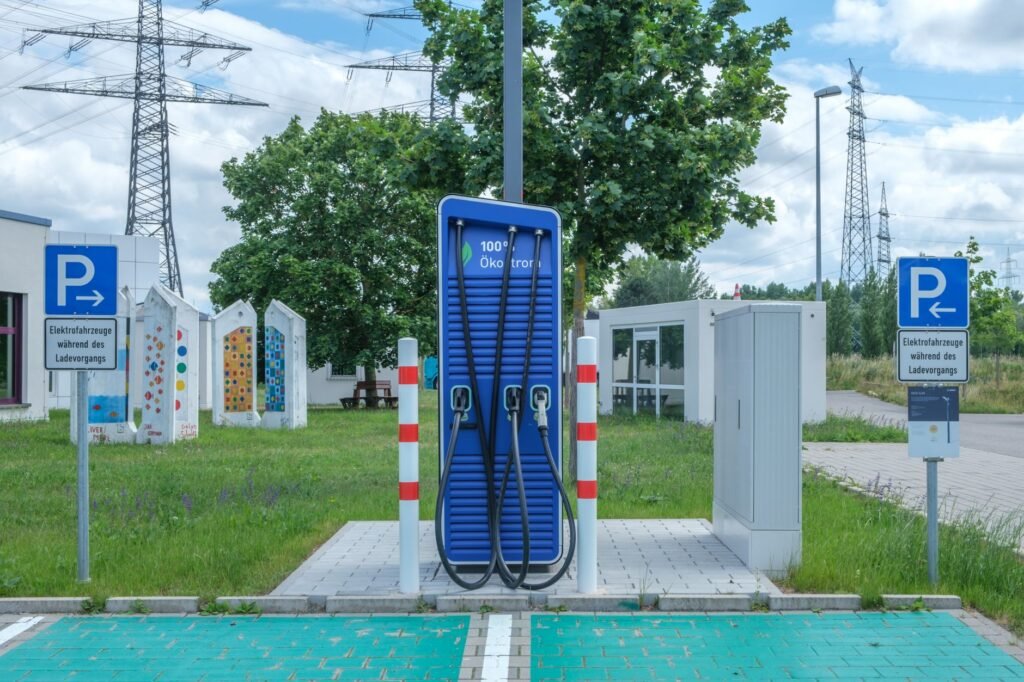
Dutch motorists driving to European vacation destinations this summer face significant variations in fuel and electricity prices that can make charging an electric car more expensive than buying traditional fuel.
A comparison of average energy and fuel prices across nine popular holiday countries shows that electric driving is not automatically the cheapest option once drivers leave the Netherlands.
How fuels compare
Data from the national touring club ANWB reveals that the Netherlands currently has the most expensive gasoline among the nations surveyed, with an average cost of roughly €13.11 per 100 kilometers.
By contrast, Spain offers the lowest fuel prices overall, where driving 100 kilometers on gasoline costs about €9.13 and diesel costs around €7.80.
Normal home country charging in the Netherlands averages 50 cents per kilowatt-hour, making standard electric driving cheaper than both gasoline and diesel within Dutch borders.
Costs across the border
The financial advantage of electric vehicles frequently shifts once drivers cross into neighboring countries like Belgium, Germany, or Switzerland.
In Austria, average normal charging rates reach €1.04 per kilowatt-hour, which translates to over €17 per 100 kilometers - significantly higher than driving a gasoline or diesel car there.
France is the only surveyed foreign destination where average fast-charging rates are lower than the equivalent cost for gasoline, though diesel still remains cheaper in the country.
Strategies for saving money
Fast-charging networks generally average higher costs, with rates failing to beat diesel prices in any of the nine countries analyzed without special discounts.
Drivers can lower their expenses on long road trips by taking out temporary monthly subscriptions with fast-charging providers, which can reduce electricity prices to around 55 cents per kilowatt-hour.
Energy experts also recommend looking for chargers away from major highways, such as those located near large supermarkets, to secure lower rates.



![Top [count] Travel Blogs to Follow - OnToplist.com](https://www.ontoplist.com/images/ontoplist31.png?id=6a8dcf108f478)