Registering with a GP is one of the first things to sort out after moving to Amsterdam, and the Dutch system is different enough that it pays to understand it before you are ill.
The huisarts is the door to everything else
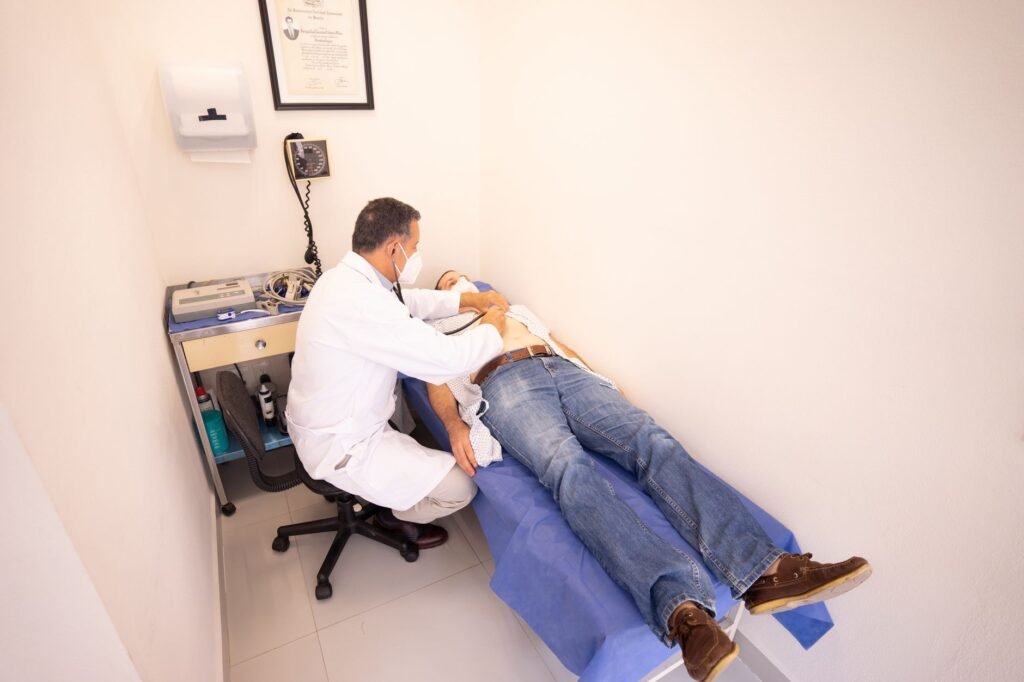
Your huisarts (general practitioner) is the first point of contact for almost every medical problem, and in most cases the only route to a specialist.
You cannot book a dermatologist or a cardiologist yourself; the huisarts assesses you, treats what they can, and writes the referral (verwijzing) when a hospital is genuinely needed.
The exceptions are dentists, opticians, physiotherapists and midwives, all of whom you approach directly.
Registering, and what to do when the lists are full
Practices take patients by postcode, so start with the ones closest to your address rather than the ones with the best reviews across town.
You will be asked for your BSN (citizen service number) and proof of Dutch health insurance, which is compulsory within four months of registering as a resident.
Central practices close their lists regularly, and in the Centrum, De Pijp and the Jordaan it is normal to be turned down by several before one has room.
If nobody will take you, ring your health insurer and ask them to place you: insurers have a duty of care and will find a practice, though it may not be the nearest one.
Practices in the directory
Westerdokters is a straightforward huisartspraktijk on the Westerdok in the Westelijke Eilanden, open Monday to Friday from eight to five, on 020 218 4190.
GP Bos en Lommer dokters on Reinaert de Vosstraat runs the same weekday hours with a late Wednesday until seven, and also does the medical examinations required for a driving licence, on 020 682 3867.
Foundation Kruispost on the Oudezijds Voorburgwal treats uninsured and undocumented Amsterdammers as a walk-in service, ten to twelve every weekday morning and again from seven to nine in the evening, Fridays four to six.
Visitors and short-stay residents who have no Dutch insurance and no registered address can use The Tourist Doctors on Leidsestraat, open nine to six seven days a week on 020 308 6226, or Amsterdam Tourist Doctors on Sint Antoniesbreestraat, which also opens ten to four at weekends.
Evenings, weekends and emergencies
For anything life-threatening the number is 112, the same across the Netherlands and the rest of the EU.
For everything urgent but not life-threatening outside your practice’s hours, Amsterdam has a single out-of-hours GP service on 088 003 0600, covering weekdays from five in the evening until eight in the morning and the whole of weekends and public holidays.
Always call that number before travelling, because the service triages by phone and then sends you to one of four posts: Oosterpark 9 in Oost, Statenjachtstraat 1 in Noord, Jan Tooropstraat 164 beside OLVG West, or Meibergdreef 9 at the AMC in Zuidoost.
Turning up at a hospital emergency department without going through that call is the slowest possible route to being seen.
What Dutch GPs do differently
Dutch general practice is deliberately conservative, and paracetamol plus a fortnight of waiting is a real and common treatment plan rather than a brush-off.
Antibiotics are prescribed sparingly, and scans and blood tests are ordered when there is a reason rather than as reassurance.
Consultations are booked in ten-minute slots for one problem, so say at the start if you have two things to discuss and ask for a double appointment.
If you are worried, say the word: describing your concern plainly and asking directly what would change the plan gets further than waiting to be offered more.
English is rarely a problem in the consulting room, though letters, portal messages and pharmacy labels usually arrive in Dutch.
The rest of the household
Children register at the same practice as their parents, and are separately followed by the free consultatiebureau and the school-age youth health service, which handle growth checks and the national vaccination programme.
Dentists are booked directly and are not covered by basic insurance for adults, so that is a separate registration and a separate bill.
Repeat prescriptions go through your practice and are collected from whichever pharmacy you nominate, which is worth choosing on the walk home rather than at random.
Browse the full directory of Amsterdam doctors to find a practice near your postcode.
Related guides
- How to Choose a Personal Trainer in Amsterdam
- Amsterdam Psychologists and Therapists: A Guide to Finding Support
- Finding a Martial Arts Club in Amsterdam
Related reading
- Finding a Gym in Amsterdam
- Amsterdam GP And Family Doctor Guide For Expats
- Finding a Yoga Studio in Amsterdam
See also: Amsterdam Psychologists and Therapists: A Guide to Finding Support.
In the news
- Health minister advises mosquito nets amid West Nile infections 13 September 2026
- Dutch supermarkets issue recall for undercooked chicken skewers 15 August 2026