
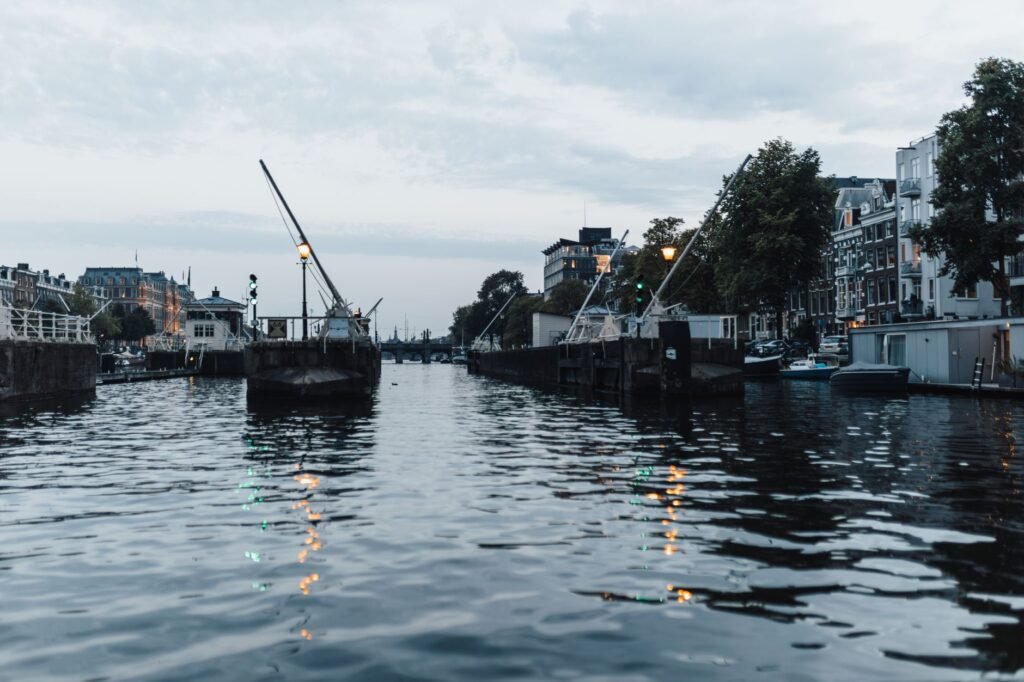
At least five distinct species of sea sponges are quietly living in the canals of Amsterdam, attached to wooden mooring posts, quay walls, and the hulls of parked boats.
These organism range in color from green to light brown and can live for decades beneath the surface.
While many people associate sponges with soft bath accessories, local species have tough skeletons made of hard fibers or lime.
Their texture is much closer to the rough side of a kitchen scouring pad than a soft natural product.
Natural water filters
Sponges act as powerful natural filtration systems for urban waterways.
By pumping water continuously through microscopic pores, they consume organic material like dissolved plant waste, plankton, and decaying matter while clearing up the canal water.
As part of this process, they secrete a nutrient-rich waste product that feeds other aquatic life.
Small fish, worms, shrimp, and crabs all rely on these biological outputs for food, making the sponges an essential foundation for urban water ecosystems.
Complex marine life
Research conducted by marine biologists at the University of Amsterdam shows that some tropical sponge species function simultaneously like animals and plants.
These creatures host millions of microscopic algae and cyanobacteria within their skin, allowing them to perform photosynthesis during daylight hours.
While local canal species rely primarily on standard filter feeding rather than heavy photosynthesis, their presence remains critical for keeping the city’s aquatic environments stable.
Environmental researchers emphasize that protecting underwater surfaces helps preserve these slow-growing colonies, which provide vital shelter for local marine life.
![Top [count] Travel Blogs to Follow - OnToplist.com](https://www.ontoplist.com/images/ontoplist31.png?id=6a8dcf108f478)