
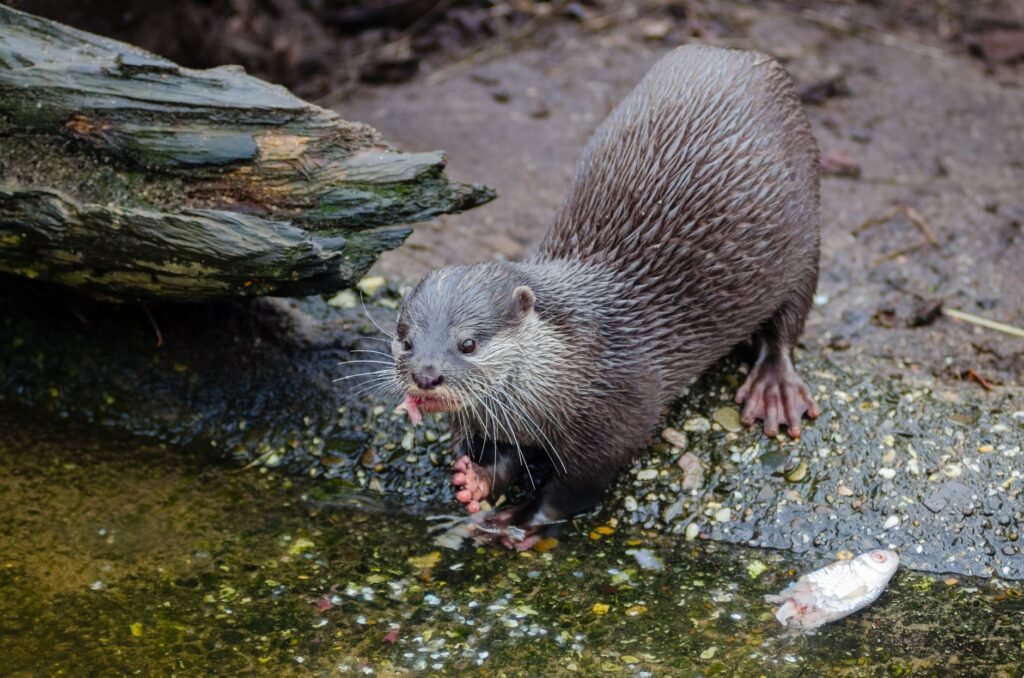
Ecologists monitoring floating nature islands near the A10 ring road at Zeeburgereiland have captured footage of both an otter and a large wels catfish in recent weeks.
The five artificial islands were placed in the water three years ago to serve as stepping stones between existing wildlife habitats around Amsterdam.
Footage captured by a trail camera on May 10 showed an otter visiting one of the islands, marking the deepest an otter has been recorded inside the city limits in recent history.
Connecting urban green spaces
Researchers from the Universiteit van Amsterdam track animal activity on the floating structures using surface and underwater cameras.
City ecologists designed the network to help wildlife migrate safely between major parks and natural areas without getting stranded by urban development.
A previous otter sighting at the nearby Diemer Vijfhoek nature reserve in 2022 was the first confirmed recording of the species in the area since 1963.
Life beneath the surface
The floating habitats also offer shelter for aquatic life, attracting predatory species that use the underwater structure for hunting and shade.
An underwater camera operated by university researchers recorded a wels catfish underneath one of the platforms on June 22.
Experts estimated the fish to be roughly 1.5 meters long, though the native species can eventually grow up to 2.5 meters in European freshwaters.
Signs of ecological health
While large catfish occasionally prey on birds or small mammals at the water’s edge, ecologists view the predator’s presence as a positive indicator for local water quality.
The arrival of top predators suggests that the food web within the city’s canal system and surrounding waterways is becoming more diverse.
Scientists monitoring the project hope the habitat corridors will eventually attract other rare species to the Gemeente Amsterdam, including the water shrew.

![Top [count] Travel Blogs to Follow - OnToplist.com](https://www.ontoplist.com/images/ontoplist31.png?id=6a8dcf108f478)