
The Rijksmuseum has redesigned one of its primary 18th-century exhibition rooms to focus on thematic displays rather than strict chronological order.
Located along the Stadhouderskade side of the building, Room 1.11 now highlights themes such as travel, urban life, and the Enlightenment.
New layout and borrowed art
Curators made the structural shift partly because visitors frequently enter the long gallery from both ends, making a strict chronological story difficult to follow.
To enrich the new layout, the museum integrated several loans from the Amsterdam Museum, which remains closed for major renovations until 2028.
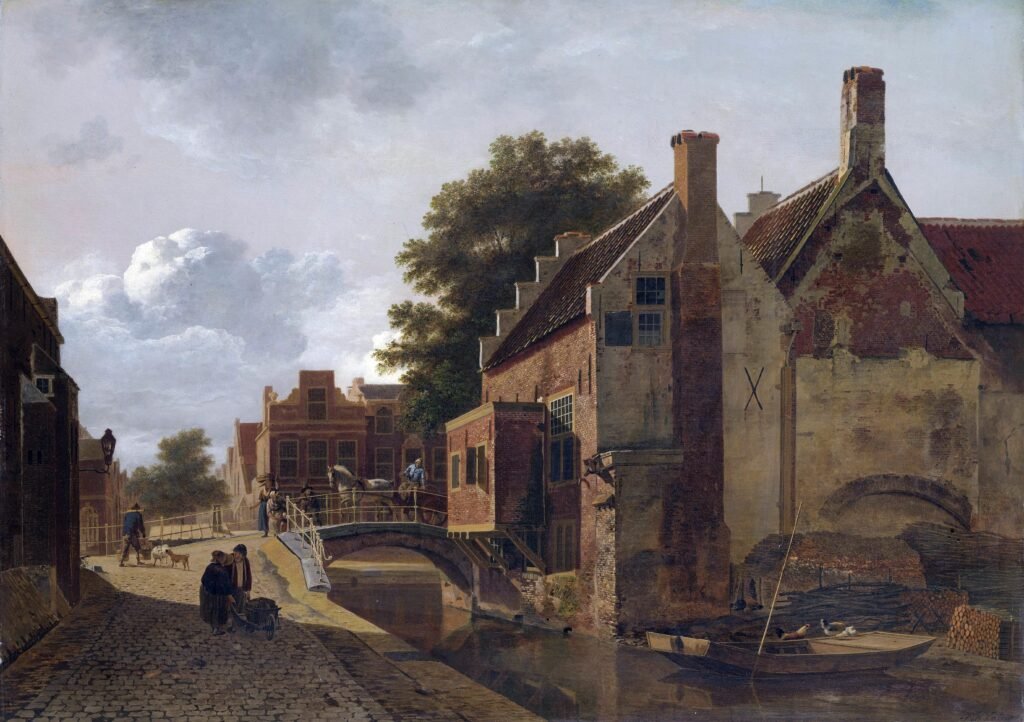
Among the newly displayed pieces are prominent 18th-century cityscapes by local painter Jan ten Compe.
One painting depicts canal swimmers near the Boerenwetering, precisely on the plot of land where the museum building itself was erected decades later.
Focus on female artists
The redesign also places a stronger emphasis on women in 18th-century art, both as creators and subjects.
Pastel portraits by Sara Troost, which were recently rediscovered in the museum storage facilities with little original documentation, are now on public view for the first time.
In the adjacent Enlightenment room, a portrait by Adriaan de Lelie shows a woman using an optical device to view an emblem of the Felix Meritis society.
The portrait illustrates how women engaged with scientific ideas during an era when formal membership in cultural societies was restricted to men.
Broader historical perspectives
The gallery overhaul is part of a broader effort across the institution to present more varied historical perspectives.
Future displays in these rooms will continue to incorporate underrepresented stories, including expanded coverage of European colonialism and slavery history.

![Top [count] Travel Blogs to Follow - OnToplist.com](https://www.ontoplist.com/images/ontoplist31.png?id=6a8dcf108f478)