
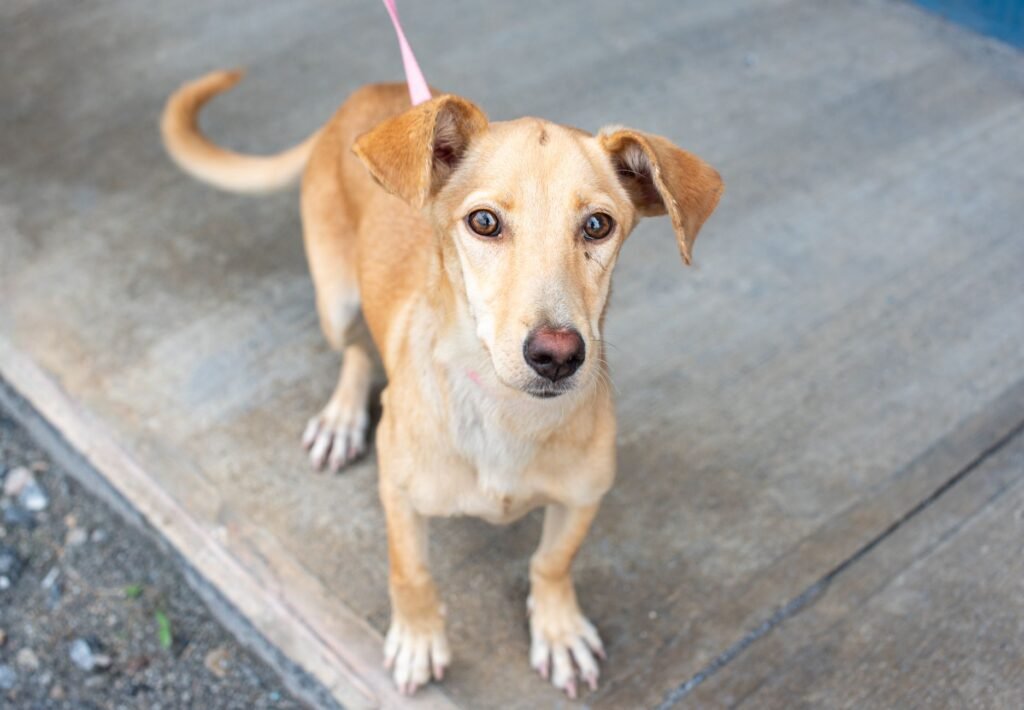
Adopting a pet in the Netherlands runs through a shelter system, not a pet shop counter.
Dutch animal shelters are called a dierenasiel.
Most operate as regional non-profits that take in surrendered, stray and abandoned animals and re-home them after a health check and a behavior assessment.
How the shelter route works
Shelters do not hand over an animal on the spot.
Expect an intake conversation about your home situation, sometimes a home visit, and a modest adoption fee that covers the animal’s vaccinations, microchipping and neutering already done before you take it.
The national animal welfare organization Dierenbescherming runs a shelter-finder that lists which regional shelters have which animals available, searchable by postcode, so that is the practical starting point for anyone in or around Amsterdam.
Shelters near the city post their current cats, dogs and small animals on their own websites, and availability changes daily, so a list printed anywhere today would be wrong within the week.
Adoption versus buying from a breeder
Buying a dog from a breeder is also legal and common in the Netherlands, and the established route there is through a breeder recognized by the Raad van Beheer, the Dutch kennel club.
Adoption is generally cheaper and takes in an animal that already needs a home, which is the honest case for looking at a shelter first.
For the wider picture on what owning a pet here actually involves day to day, the Amsterdam Pet Ownership Guide for Expats covers costs and daily practicalities beyond the adoption step itself.
Registering a dog once you’ve adopted
Every dog in Amsterdam must be registered with the municipality, and this is a separate step from anything the shelter does for you.
The Amsterdam Dog Registration Guide For Expats walks through the process, the deadlines and where to file it, since this is a municipal requirement you handle yourself, not something a shelter or a newsletter can complete on your behalf.
Cats and other pets are not subject to the same municipal registration, but a shelter will typically have already microchipped any animal it re-homes.
Sort insurance before, not after
Vet bills in the Netherlands are not cheap, and an adopted animal’s medical history is not always complete, which makes insurance worth arranging early rather than after a first emergency.
Pet Insurance in the Netherlands: A Guide for Owners lays out how Dutch pet insurance is structured and what it typically covers, so that’s the right next stop once you know which animal you’re bringing home.
Finding a vet
A newly adopted pet needs a first check-up with a vet of your own choosing, ideally in the days after you bring it home.
How to Choose a Vet in Amsterdam explains what to look for and how the Dutch dierenarts system works, including emergency care.
What we can’t tell you yet
Shelter inventories change too fast for a fixed list to stay accurate, so the honest answer to “where” is: start with the Dierenbescherming shelter-finder for your postcode, then check individual Amsterdam-area shelters’ own current listings directly.
That is also the only way to see, on any given day, which actual animals are waiting for a home near you.


![Top [count] Travel Blogs to Follow - OnToplist.com](https://www.ontoplist.com/images/ontoplist31.png?id=6a8dcf108f478)