
Thirty years after its founding, the legacy of Lovers Rail serves as a reminder of how difficult it has been to establish private passenger rail service in the Netherlands.
Born out of an Amsterdam canal cruise company, the venture became the first private operator to run trains on the national rail network in 1996.
Initiator Peter Sul aimed to transport residents and tourists from Amsterdam to the coast by reopening the line between Haarlem and IJmuiden, which had closed in 1983 due to low passenger numbers.
A difficult start on the tracks
Getting the service off the ground required overcoming significant hurdles.
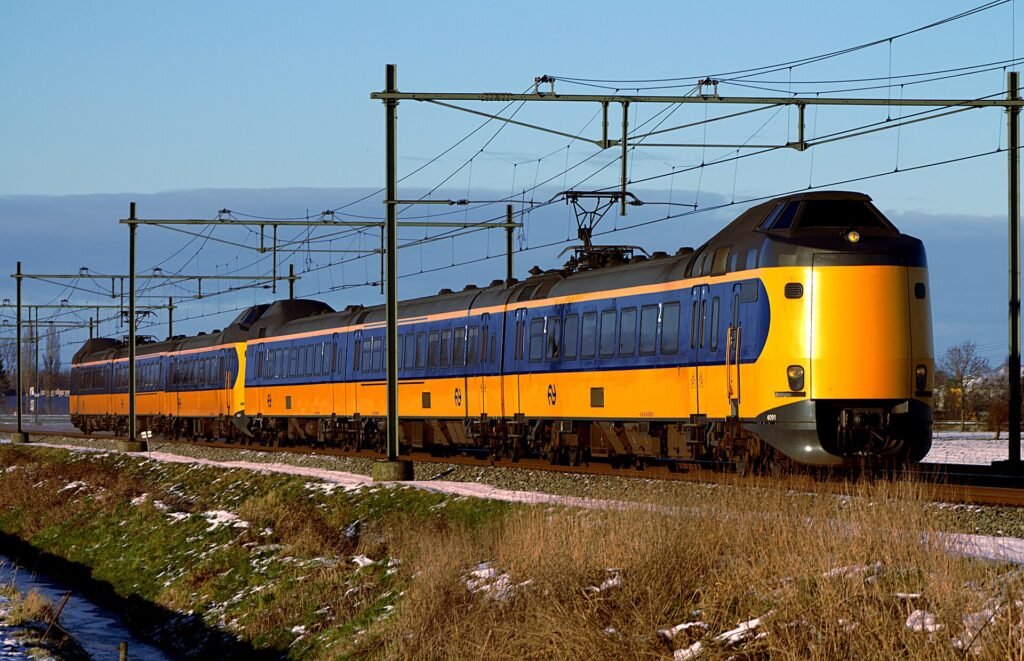
National operator NS was reluctant to cooperate, forcing Lovers Rail to purchase and refurbish used carriages from Belgium.
The company also faced challenges acquiring equipment, finding train storage, and hiring staff.
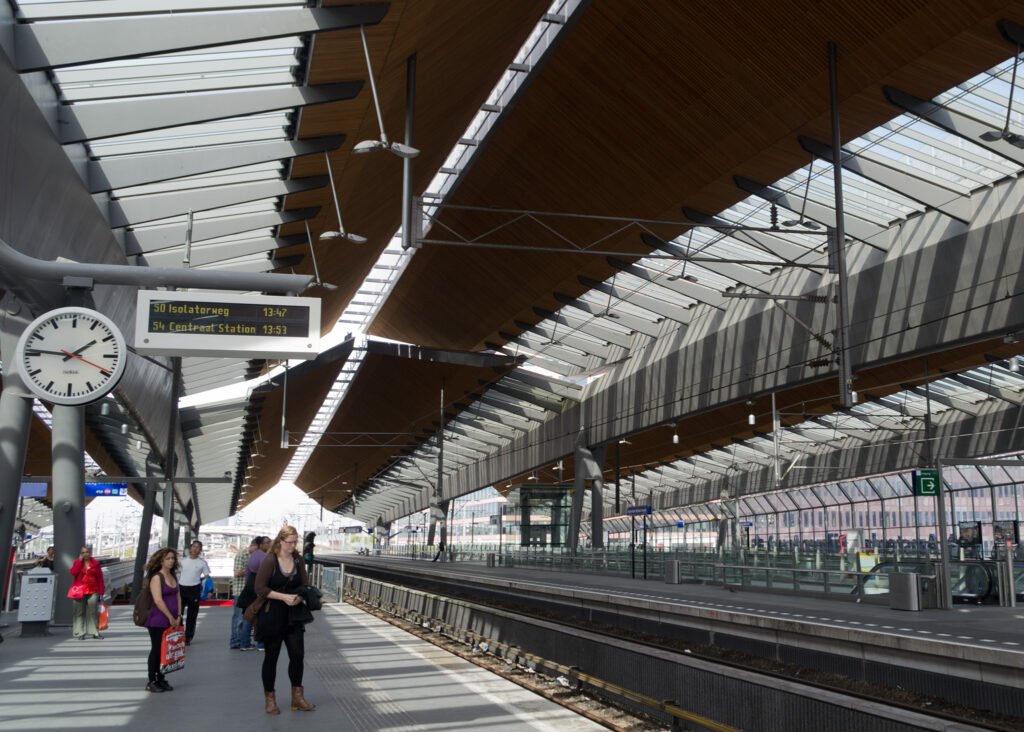
The inaugural Kennemerstrand Expres departed from Amsterdam Centraal on August 11, 1996, making stops at Amsterdam Sloterdijk, Haarlem, and Santpoort-Noord.
Although seen as an alternative to crowded state-run routes, the service was limited to four round trips per day and suffered from delays and low occupancy.
Brief expansion and political shift
Despite operational troubles, the project proved that independent operators could legally access the Dutch tracks.
French transport firm CGEA bought a major stake in 1997, providing capital for newer trains and expansion plans, including services to Lisse, Leiden, The Hague, and Utrecht.
However, national political priorities shifted toward protecting the main network for the incumbent operator, putting an end to further expansion.
CGEA shifted its attention elsewhere, and Lovers Rail ceased operations just over two years after its first trip.
The ongoing debate today
While the business was short-lived, it set a legal precedent for passenger rail competition in the Netherlands.
The broader debate over track access remains active today as open-access operators like GoVolta and Arriva pursue new routes and challenge national restrictions in court.
![Top [count] Travel Blogs to Follow - OnToplist.com](https://www.ontoplist.com/images/ontoplist31.png?id=6a8dcf108f478)