Your lights and heating will already work on the day you move into an Amsterdam flat, which is exactly why people forget to put the contract in their own name.
The connection stays live between tenants; what changes is who is billed for it, and until you arrange that, the meter is running against somebody.
Two things decide whether this goes smoothly: photographing the meters on handover day, and understanding that your bill has three separate sources on it.
How To Set Up Electricity And Gas In Amsterdam
Start a week or two before move-in if you can, because switching supplier takes days rather than hours and the changeover date is set in advance.
In almost every Amsterdam home you are arranging a contract, not requesting a connection - a genuinely new connection is a different, slower and chargeable process through the grid operator.
To sign up you need the address, the move-in date, proof of residency, passport or ID, your meter readings and a Dutch IBAN for the direct debit.
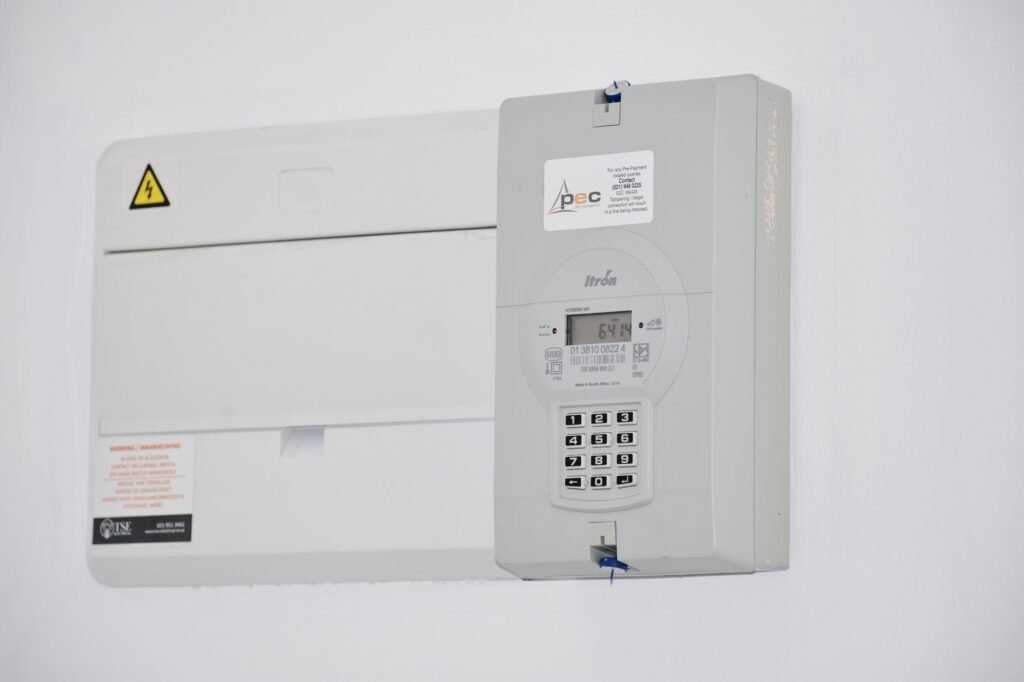
On the day you get the keys, photograph every meter, including both the day and night electricity registers if your meter has them.
That photograph is the only evidence separating your consumption from the previous tenant’s, and it is worth more than any clause in the lease.
Take it even with a slimme meter, the smart meter that reports automatically, because automatic readings can start late or be attributed to the wrong account.
Check what actually heats the property before choosing a tariff.
Many Amsterdam flats use a cv-ketel, a gas combi boiler, for heating and hot water; newer buildings are increasingly all-electric or on stadsverwarming, district heating, in which case gas pricing is irrelevant to you and district heating is billed on its own regulated tariff.
Choosing A Supplier And Contract That Fits Your Home
The right supplier depends on the property rather than on who is cheapest this week.
A small flat with district heating and no gas has nothing to gain from the best dual-fuel offer, while a house with heavy winter gas use benefits from price certainty more than from a welcome discount.
The established suppliers include Essent, Eneco, Vattenfall, Vandebron, Greenchoice, Energiedirect and Budget Energie.
Several market groene stroom; if that matters to you, check whether the electricity is certified Dutch renewable or covered by purchased guarantees of origin, because both are sold under the same word.
A fixed contract locks your unit rates for one to three years and removes price risk entirely.
A variable contract can be repriced during the year, usually with a month’s notice, which is comfortable when the market is calm and not otherwise.
For a first year in the country, fixed is the easier thing to live with because it makes the monthly advance predictable.
Ignore welkomstkortingen when comparing, since a one-off discount disappears into a three-year contract almost immediately.
Pricewise, Independer and Energievergelijk all compare on total estimated annual cost rather than unit rate, which is the comparison that matters, and the Consumentenbond and the regulator ACM are the references if a contract term looks wrong.
Understanding Bills, Taxes, And Annual Settlements
Your monthly payment bundles three different things, and only one of them is competitive.
The supplier sells you the energy, and that is the part you shop for.
The netbeheerder owns the cables, pipes and meter, and you cannot choose it - network operators are assigned by area, and in most of Amsterdam that is Liander.
Netbeheerkosten are the regulated network charges passed straight through, identical whichever supplier you use.
The third component is tax: energiebelasting plus BTW at the standard rate.
The old ODE levy was folded into the energy tax, so on a current bill you should see energiebelasting and BTW rather than a separate ODE line - if an older document shows one, that is why.
Together the network charges and taxes are large enough that a headline unit rate tells you very little about the eventual monthly figure.
Most suppliers take a monthly advance payment, the termijnbedrag, and reconcile it once a year in the jaarafrekening.
That settlement compares what you paid against what you used, so you either receive a refund or a bill, and you can usually adjust the advance yourself mid-year if it is clearly wrong.
When you move out you get an eindafrekening, which is the second point at which your meter photographs earn their keep.
If the property has solar panels, ask specifically how feed-in is settled and check the current status of the salderingsregeling, the netting scheme, which is being phased out - the terms for exported electricity are changing and old advice on this is unreliable.
For a power cut or a suspected gas leak, contact the netbeheerder rather than your supplier, since the supplier owns no infrastructure and can do nothing.
Water, Internet, And Local Charges To Arrange Next
Water is regional and not a choice: in Amsterdam it is Waternet, with PWN, Dunea, Evides, Vitens and others covering the rest of the country by area.
For internet, check what the building supports before comparing packages.
Some addresses have glasvezel, others are on coax or DSL, and that determines both the speeds available and which providers can serve you at all.
KPN, Ziggo and Odido are the main providers, and bundled television or sport add-ons are the usual place a package quietly gains ten euros a month.
Then there are the local charges, which arrive by post and surprise people who assumed rent covered everything.
Afvalstoffenheffing is the municipal waste charge and zuiveringsheffing is the water authority’s wastewater levy, both billed separately from your rent and your utilities.
Whether your landlord covers any of these is set in the lease, so check the servicekosten clause before the first bill lands rather than after.
Frequently Asked Questions
How do I choose an energy provider in Amsterdam as a new resident?
Establish first whether the property uses gas, is all-electric, or is on district heating, because that rules out most offers immediately.
Then compare total estimated annual cost, contract length and cancellation terms rather than the unit rate or the welcome discount.
What’s the difference between a fixed and a variable energy contract in the Netherlands?
A fixed contract holds your rates for the full term, making the monthly advance predictable.
A variable contract can be repriced during the year with notice, which gives flexibility and leaves the price risk with you.
Which details do I need to set up electricity and gas at my Amsterdam address?
Move-in date, full address, proof of residency, ID, meter readings and a Dutch IBAN.
Photograph the meters yourself on handover day even where a smart meter reports automatically.
How can I compare energy tariffs and estimate my monthly bill in the Netherlands?
Enter your postcode, property type and estimated annual consumption into a comparison site, which then returns total annual cost including network charges and tax.
If you do not know your consumption, use a conservative estimate and adjust the advance payment after your first few months rather than waiting for the annual settlement.
What should I check in contract terms like notice periods, early cancellation fees, and price caps?
Contract duration, when and how the rate may change, the early termination fee, and whether any discount is only credited after a full contract year.
Check the fixed monthly standing charge too, since it can make a low unit rate the more expensive option overall.
Who do I contact if I have a power outage or a gas issue in Amsterdam?
Your regional netbeheerder, not your supplier, because the network operator owns and repairs the infrastructure.
If you smell gas, treat it as an emergency: leave the property, do not operate switches, and call the national gas emergency number 0800 9009 from outside.
Related reading
In the news
- Energy Emergency Fund to reopen for applications in January 4 October 2026
- Solar panel owners face higher electricity bills 24 September 2026
- Gas prices expected to peak this winter 1 September 2026
- Netherlands and Belgium launch new high-voltage power line to boost electricity capacity 6 August 2026