
Top Amsterdam Bakeries

Bakhuys Amsterdam
Essentially Amsterdam Reader's Choice 2026
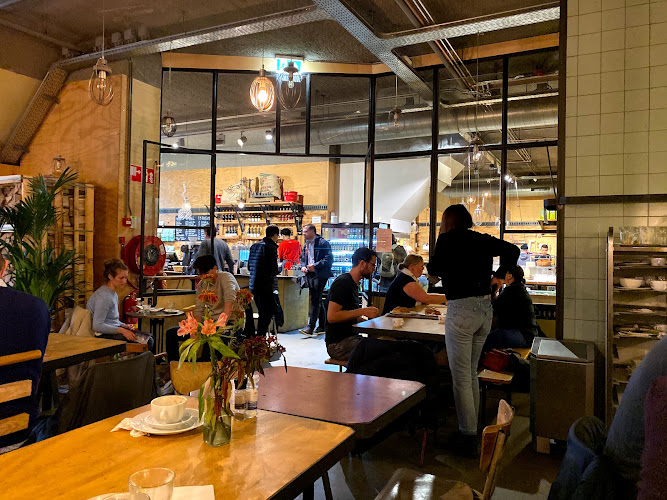
Bakhuys Amsterdam is a family bakery established in 1926 that bakes authentic bread in a wood-fired stone oven. It is a long-standing spot in the city for traditionally baked bread.
View Details
Claim this listing
Your business? Claim it free - fix your details, add photos and links. One minute. Read more
Le Fournil de Sébastien Amsterdam
Essentially Amsterdam Reader's Choice 2026
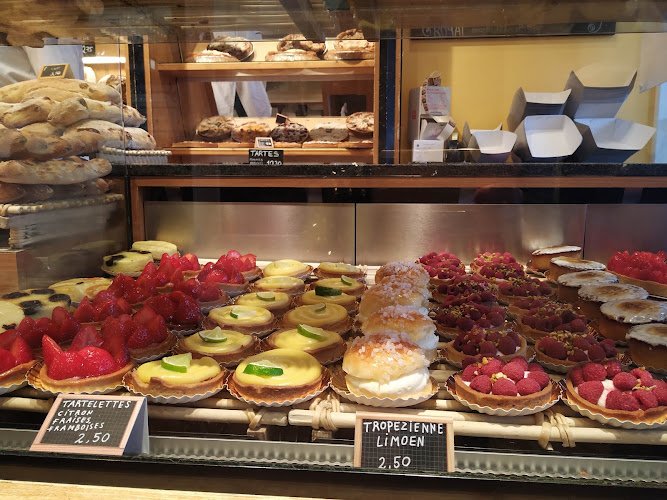
A French artisan bakery in Amsterdam run by baker Sébastien. All the breads are sourdough with a long rise, making them easy to digest and long-keeping, including specialty einkorn loaves.
View Details
Claim this listing
Your business? Claim it free - fix your details, add photos and links. One minute. Read more
Van Stapele Koekmakerij
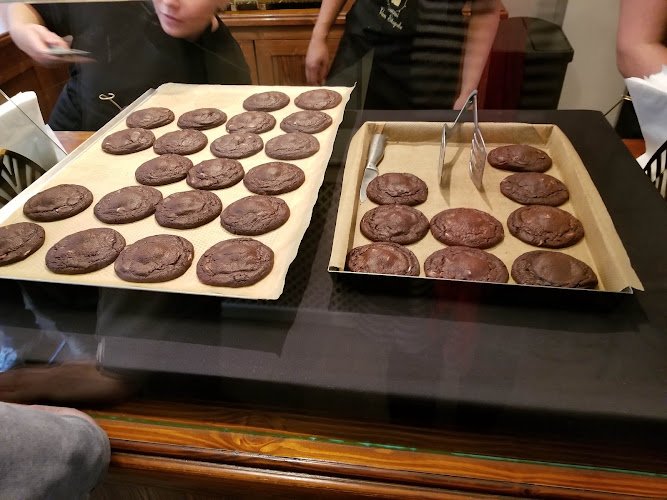
Van Stapele Koekmakerij is a small shop on the Heisteeg near the Spui in Amsterdam that makes just one type of cookie. The cookies come fresh from the oven every 15 minutes.
View Details
Claim this listing
Your business? Claim it free - fix your details, add photos and links. One minute. Read more
Hans Egstorf
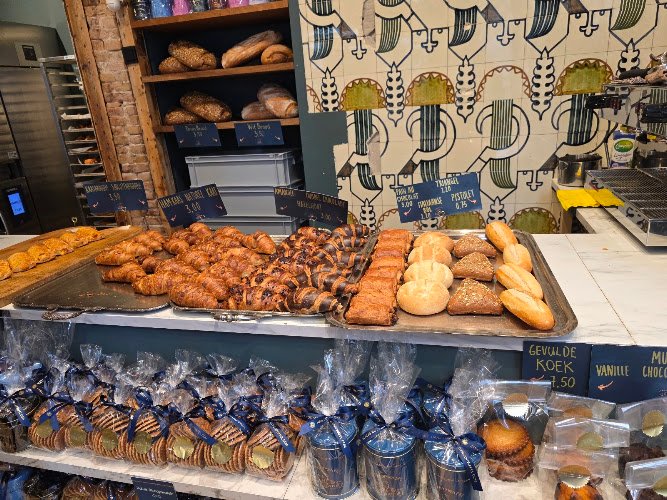
Bakkerij Egstorf claims to be the oldest bakery in Amsterdam, baking fresh products daily to traditional recipes. It offers classic baked goods made the old-fashioned way.
View Details
Claim this listing
Your business? Claim it free - fix your details, add photos and links. One minute. Read more
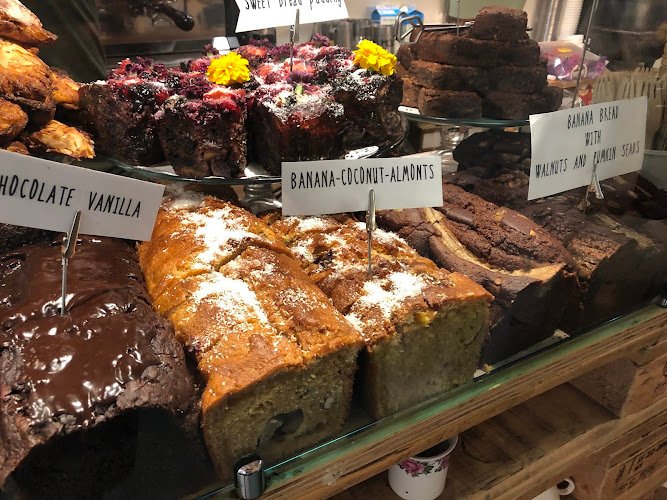
De Laatste Kruimel
De Laatste Kruimel is a bakery in Amsterdam.
View Details
Claim this listing
Your business? Claim it free - fix your details, add photos and links. One minute. Read more
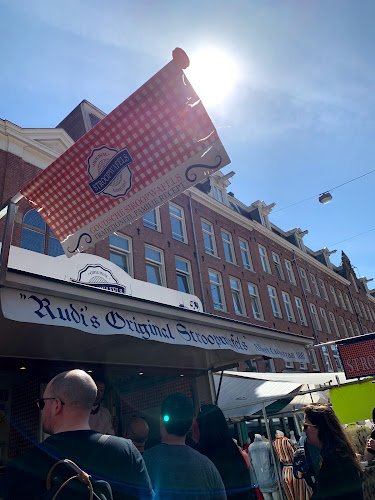
Rudi’s Original Stroopwafels
A stall at Amsterdam's Albert Cuyp Market baking fresh, traditional Dutch stroopwafels. Rudi's Original Stroopwafels serves the classic caramel-filled waffles warm to market visitors.
View Details
Claim this listing
Your business? Claim it free - fix your details, add photos and links. One minute. Read more
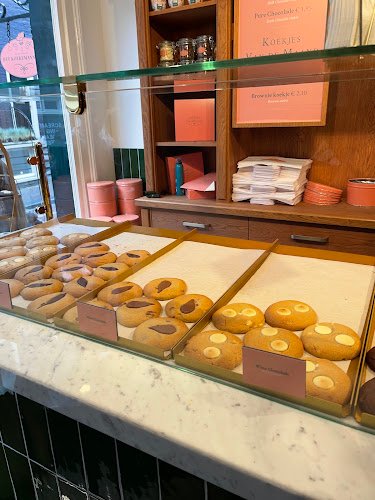
Banketbakkerij Het Koekemannetje
Het Koekemannetje is a cookie shop in Amsterdam making biscuits by hand from fresh dough every day, weighed to the gram. It offers artisanal cookies with plenty of chocolate.
View Details
Claim this listing
Your business? Claim it free - fix your details, add photos and links. One minute. Read more
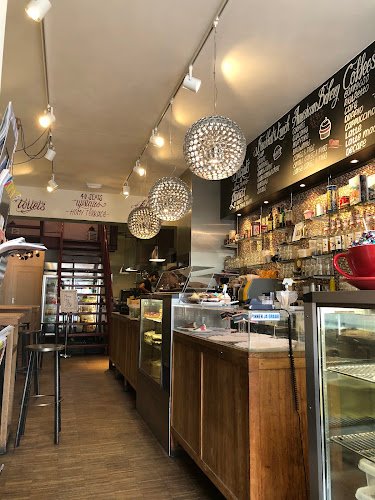
De Drie Graefjes
De Drie Graefjes is a well-known Amsterdam bakery and lunchroom. It serves large slices of homemade cake, hearty lunch dishes and good coffee across its cosy American-style bakeries.
View Details
Claim this listing
Your business? Claim it free - fix your details, add photos and links. One minute. Read more
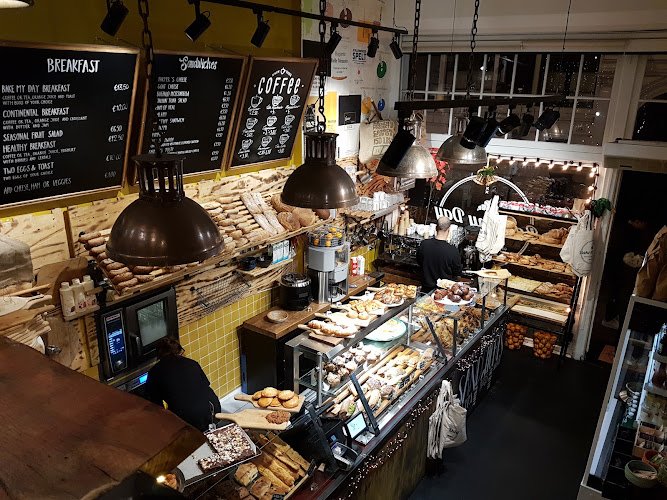
Bake my Day
Bake my Day is a bakery in Amsterdam.
View Details
Claim this listing
Your business? Claim it free - fix your details, add photos and links. One minute. Read more
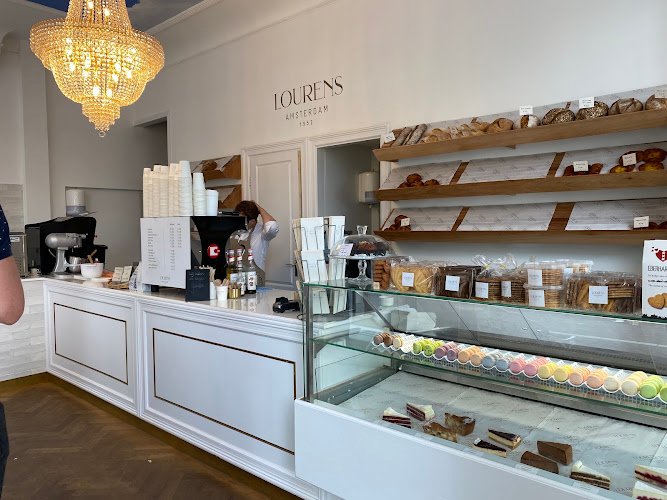
Lourens
Lourens is a bakery in Amsterdam.
View Details
Claim this listing
Your business? Claim it free - fix your details, add photos and links. One minute. Read more
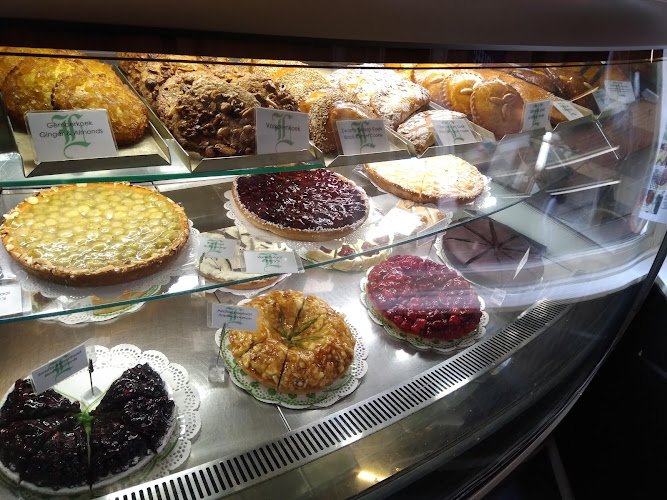
Lanskroon Bakery
Lanskroon Bakery is a bakery in Amsterdam.
View Details
Claim this listing
Your business? Claim it free - fix your details, add photos and links. One minute. Read more
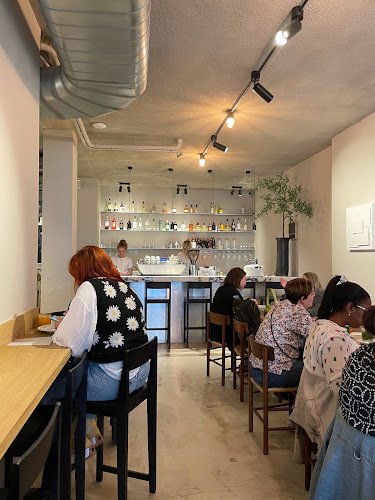
Bakkerij Wolf – Wolvenstraat
Bakkerij Wolf - Wolvenstraat is a bakery in Amsterdam.
View Details
Claim this listing
Your business? Claim it free - fix your details, add photos and links. One minute. Read more
![Top [count] Travel Blogs to Follow - OnToplist.com](https://www.ontoplist.com/images/ontoplist31.png?id=6a8dcf108f478)