
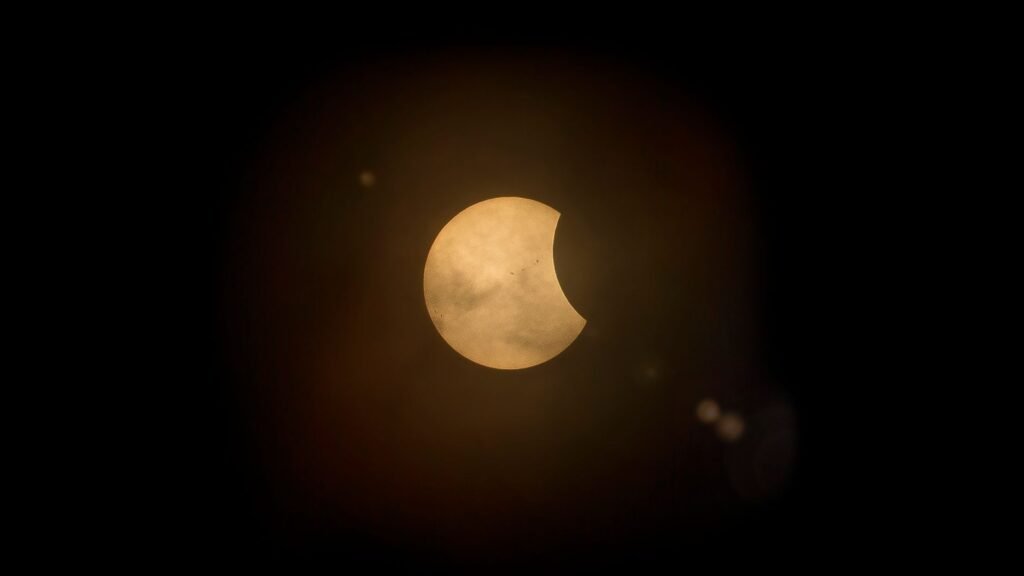
A major partial solar eclipse will be visible across the Netherlands on Wednesday, August 12, with nearly 90 percent of the sun set to be covered.
Local photography instructor Erwin Winkelman has shared several practical tips for residents hoping to capture the sight using a smartphone camera.
The celestial event marks a rare sight for the country, as an eclipse of this scale has not occurred locally since 1999.
If you plan to view or capture the event, prepare ahead to ensure both safety and clear images.
Protecting camera sensors and eyes
Winkelman warns that pointing a smartphone camera directly at the bright sun can overheat or permanently damage its digital sensor.
To prevent this, he recommends holding a certified eclipse glass filter directly over the phone’s camera lens, while reminding observers never to look directly at the sun without eye protection.
For those looking for guidance on safety equipment and viewing times, earlier details on how to safely watch the solar eclipse outline what to expect across the country.
Adjusting phone settings for clear shots
To get a clear image, users should lock focus by pressing and holding the screen where the sun appears until AF/AE lock is activated.
Lowering the exposure slider prevents the sun from turning into a washed-out white spot, while shooting in RAW format preserves extra detail for later edits.
Digital zoom should be avoided as it creates grainy pictures, making standard optical zoom or wide shots featuring local landmarks a better alternative.
Using a remote shutter control, such as a Bluetooth clicker or headphone volume buttons, helps keep the device steady during exposure.
Timing and city locations
In Amsterdam, the event will start around 7:15 p.m., reaching its peak between 8:10 p.m. and 8:15 p.m. before ending by 9:05 p.m.
Photographers planning to frame the sun alongside iconic city structures, such as Eye Filmmuseum along the waterfront, are advised to scout their chosen position a day in advance to gauge the sun’s position accurately.
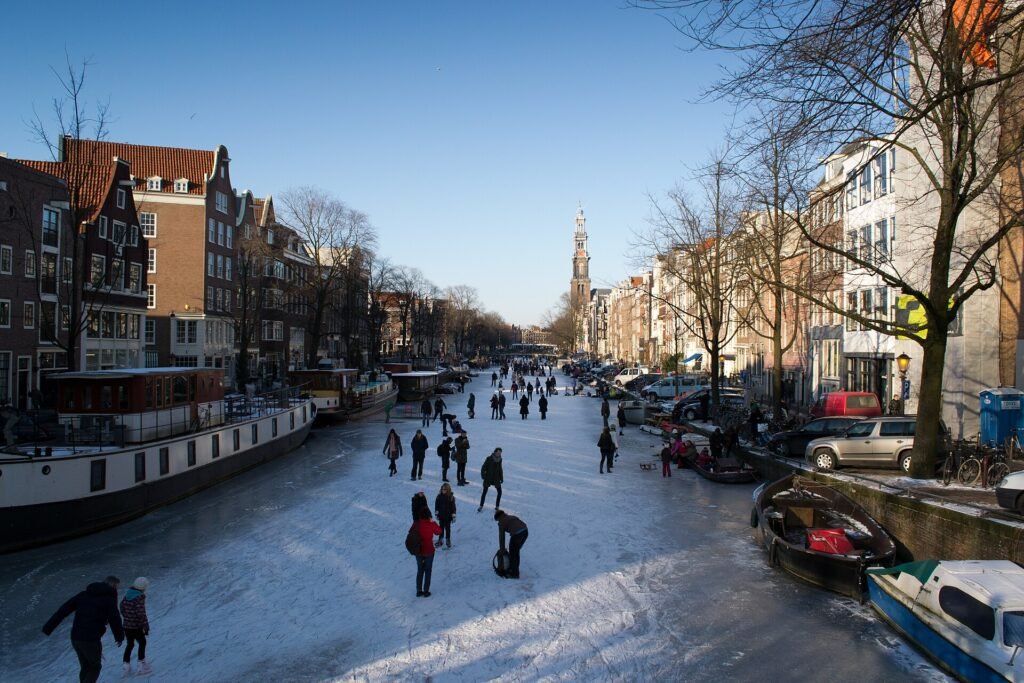
Looking for a place to frame your shot? Explore scenic evening walks in Amsterdam.
![Top [count] Travel Blogs to Follow - OnToplist.com](https://www.ontoplist.com/images/ontoplist31.png?id=6a8dcf108f478)