
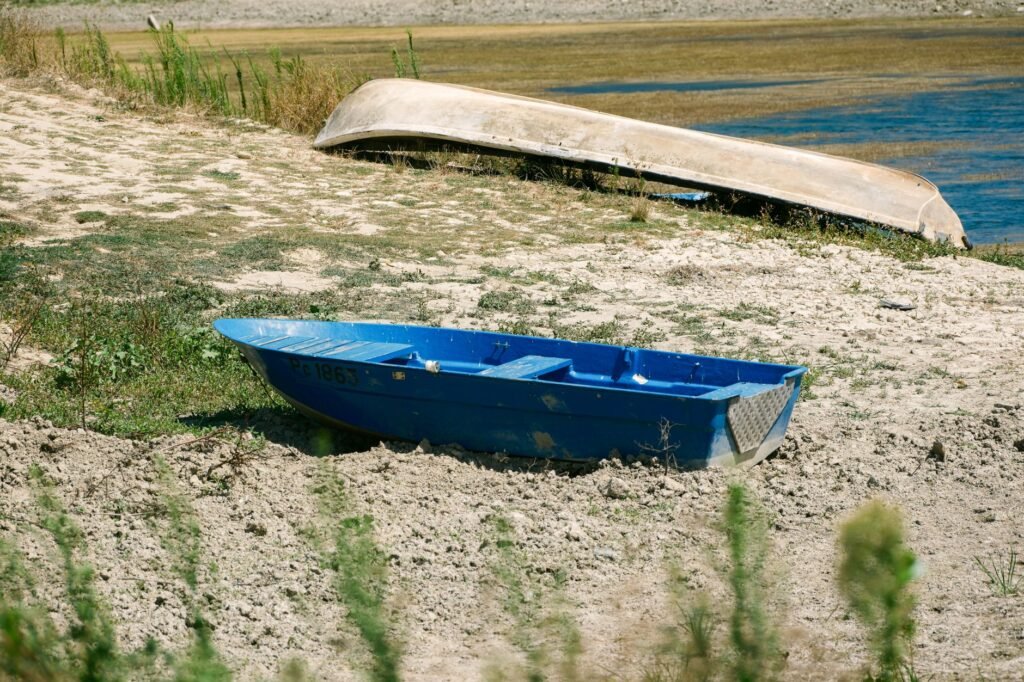
Commercial operators suffering financial losses due to the ongoing dry weather will not receive state emergency funding, according to national ministers.
Infrastructure and water management minister Vincent Karremans clarified the position this week, stating that financial compensation is reserved for major natural disasters, which current conditions do not meet.
Economic impact across transport and shipping
Dwindling river levels have created significant disruptions across the Dutch logistics sector, forcing cargo vessels to travel with partial loads and stranding houseboats along major waterways.
Regional canal routes and key locks have faced restrictions, with total economic losses for affected businesses expected to run into hundreds of millions of euros.
The policy stance means impacted operators must absorb these disruptions as part of normal commercial risk while state resources focus on infrastructure protection and drinking water supplies.
Water management shifting to long-term storage
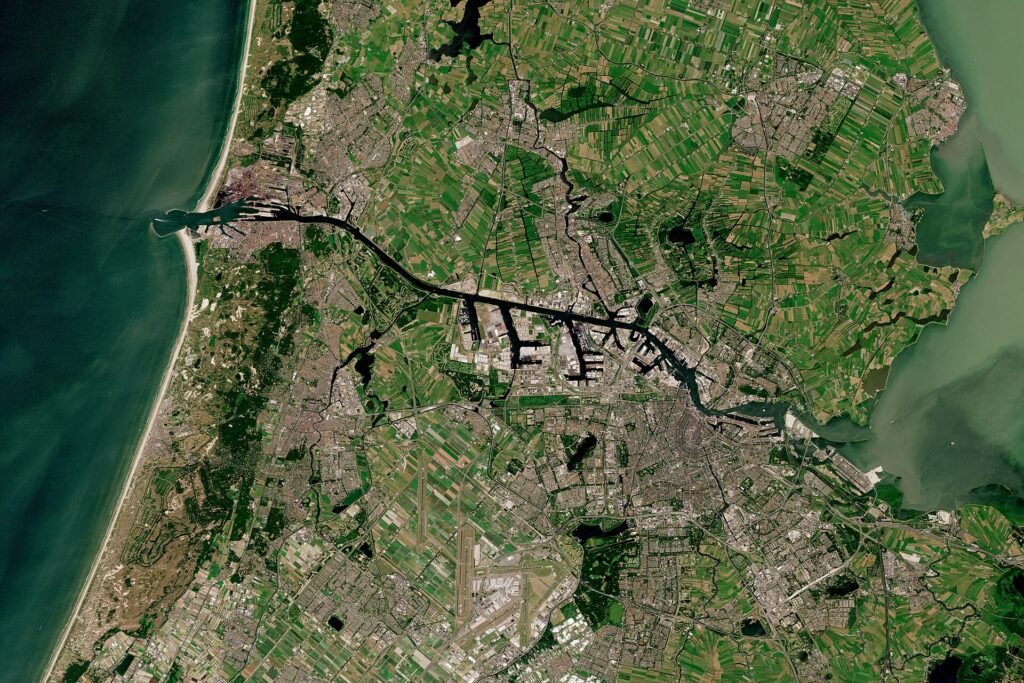
Data from local water management bodies, including the regional Amstel, Gooi en Vecht board, shows that river levels in low-lying delta areas have reached historical lows for late summer.
The situation comes as drought leaves vessels on dry riverbeds and strains regional ecosystems.
To mitigate future shortages, authorities are working on national plans to retain seasonal rainfall in major reservoirs like the IJsselmeer, alongside localized urban measures such as drainage ditches installed across Amsterdam to store surface water.

![Top [count] Travel Blogs to Follow - OnToplist.com](https://www.ontoplist.com/images/ontoplist31.png?id=6a8dcf108f478)