
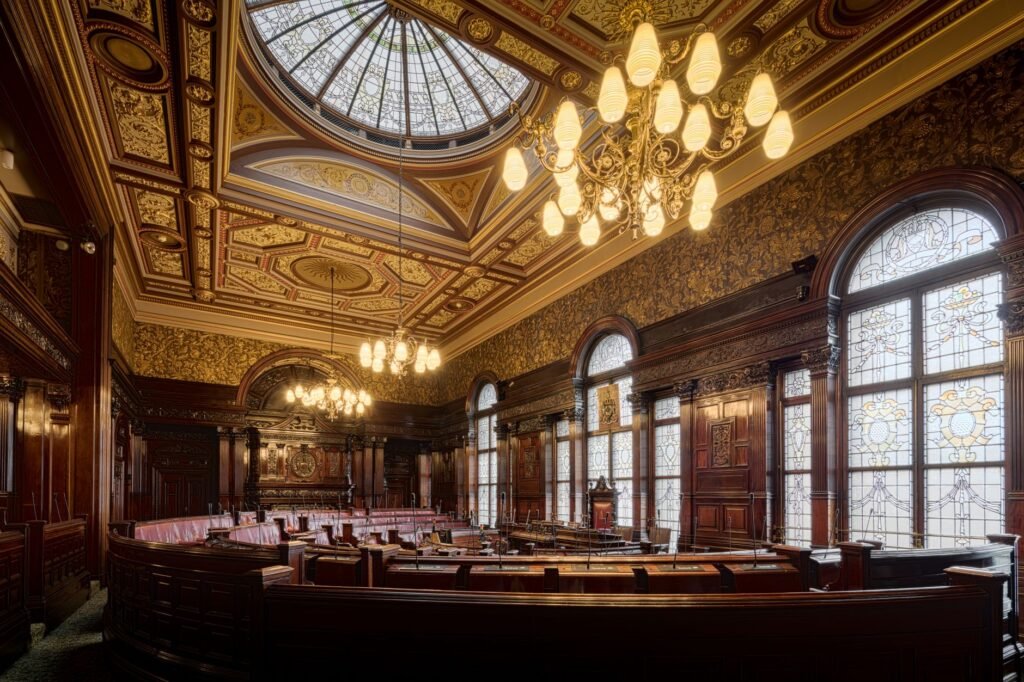
A municipality pilot project aimed at making neighborhood budgets more accessible in Amsterdam has largely failed to reach new groups of residents.
An evaluation of trials in Amsterdam-Noord and Amsterdam-Zuid showed that the extra meetings mostly attracted residents who were already socially active or experienced with civic initiatives.
Struggles reaching younger residents
Efforts to involve younger people were particularly unsuccessful during the trials, which took place in late 2025 and early 2026.
Several meetings in both boroughs recorded no participants under 16, and separate sessions organized at youth centers drew only one or two attendees each.
The municipality had also hoped the project would encourage residents to develop plans together.
Instead, most sessions consisted of one-on-one conversations between individual residents and local officials, leaving the original participation gap unaddressed.
Resource limits on scaling up
The trial proposal was originally introduced in early 2025 by Volt party leader Juliet Broersen to help residents who struggle to navigate city administration.
While hands-on support helped inexperienced residents build their ideas, researchers noted that this level of personal guidance requires significant time from city officials.
In Zuid, administrators had to set a cap of 100 proposals to avoid overwhelming staff capacity.
Dozens of additional proposals sent by email after reaching that limit could not be considered.
Uncertain future for citywide expansion
Researchers recommend against simply rolling out the current neighborhood budget system across the entire city.
They suggest that a broader setup would require different methods, targeted recruitment, and stronger organization.
Whether the City of Amsterdam will move forward with a citywide version remains undecided.
The city council’s Administration and Security Committee is set to discuss the evaluation on August 27, where Mayor Femke Halsema will also weigh in, as democratisation now falls under her portfolio.
For more context on city decisions, read our guide to how Amsterdam is governed.

![Top [count] Travel Blogs to Follow - OnToplist.com](https://www.ontoplist.com/images/ontoplist31.png?id=6a8dcf108f478)