
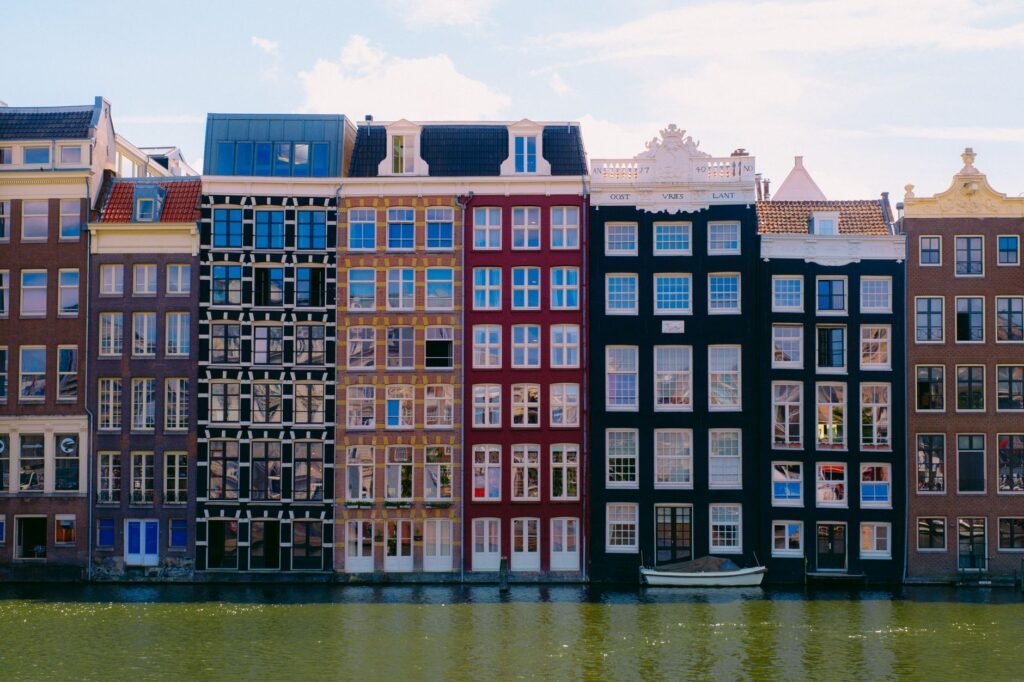
Two laws changed Dutch renting in 2024, and most advice online still predates them.
Fixed-term contracts are no longer the default, and the free sector is no longer free of rent regulation.
If you are searching now, those two facts are worth more to you than any listing site.
The rest of this guide is how to find a place, what it costs, and what you can actually enforce.
What Changed, And Why It Matters To You
Since 1 July 2024 a new tenancy is an indefinite contract by default, with fixed-term lets restricted to specific listed situations.
A landlord offering you a plain one-year contract is doing something the law now permits only in defined cases, so ask which exception applies.
The Wet betaalbare huur, from the same summer, extended the points system into the mid-rent segment.
The old shorthand that the free sector has no cap is no longer true: a flat’s points score sets a legal maximum rent well above the social-housing band.
You can score a property yourself with the tool on huurcommissie.nl, and if the rent exceeds the maximum you can have it reduced.
Do this before you sign as well as after, because it tells you whether the price is even lawful.
The Wet goed verhuurderschap also caps the deposit at two months’ rent and bans a landlord’s agent from charging you a fee for a property they were hired to let.
If an agency asks you for “bemiddelingskosten” on a flat they are advertising for the owner, that is the charge the law prohibits.
Finding A Place Fast
Speed decides this market more than budget does.
Good listings are gone within hours, and the first applicant with complete documents usually gets it.
Funda is the largest property site and carries both sales and rentals.
Pararius concentrates on private-sector rentals and lists in English, and Kamernet is where rooms and student shares are.
Set instant alerts on all three rather than checking them, because a daily check is already too slow.
Aggregators such as Huisly scan many sites at once and push matches against your filters.
Have one PDF ready before you start: passport or ID, employment contract, three recent payslips, an employer’s statement and a recent bank statement.
Send it with your first message, not when asked for it.
A rental agency working for you can reach listings before they are public, and may lawfully charge you for that service.
Which Kind Of Place
A self-contained flat is the obvious choice for a couple or anyone wanting a registered address of their own.
Furnished costs roughly 10 to 20 per cent more per month than unfurnished, and unfurnished in the Netherlands can mean no floors and no light fittings - ask what is actually in the property.
A room in a shared house runs €400 to €800 a month depending on city and size, and is the only realistic option on a student or first-job budget.
Check the landlord permits registration at the address, because without it you cannot get a BSN or open most bank accounts.
Students should apply through the university’s housing office first, since Dutch universities hold blocks of rooms for internationals and allocate them on a deadline rather than a scramble.
A short-stay rental costs more per month but buys you time to see neighbourhoods before committing to a year in one.
Sort utilities and internet once you have the permanent address.
What It Costs And What They Ask For
One-bedroom rents in Amsterdam, Rotterdam and Utrecht start around €1,200 a month and rise steeply from there; smaller cities are markedly cheaper.
See the cost of living breakdown for how rent sits against everything else.
Landlords generally want gross monthly income at three to four times the rent, so €1,500 rent implies €4,500 to €6,000 gross.
The self-employed are asked for more: a full year of tax returns, or an accountant’s statement.
The deposit is one or two months, and two is the legal maximum.
Photograph every room on the day you move in and email the photos to the landlord, because that record is what gets the deposit back.
Check whether the rent is kaal (bare) or inclusief.
If utilities are separate, add €150 to €250 a month for gas, electricity and water.
A registered BSN strengthens an application noticeably, and landlords use gross rather than net income - the payslip guide explains the difference.
Your Rights, And The Scams
An indefinite contract cannot be ended by the landlord without a legal ground and, if you contest it, a court.
That protection is the reason to insist on knowing which contract type you are being offered.
Read the notice period, the rent-increase clause and the maintenance split before signing, and take advice from a Dutch lawyer on anything you do not understand.
The Huurcommissie handles disputes over excessive rent, service charges and maintenance for a small fee, and is far quicker than court.
In Amsterdam, !WOON gives free tenant advice in English and is funded by the municipality.
Most international renters never contact them, which is exactly why bad landlords keep working.
The scam pattern is always the same: a price below the market, a landlord who is abroad and cannot show you the flat, and a request to transfer money before you have seen it or signed anything.
Never pay before a viewing and a signed contract, and never by an untraceable method.
If it is rushed and cheap, it is not real - that instinct is worth more here than any checklist, including the moving checklist.


![Top [count] Travel Blogs to Follow - OnToplist.com](https://www.ontoplist.com/images/ontoplist31.png?id=6a8dcf108f478)