
Sports clubs across the Amsterdam area are adjusting their routines as a new surface water ban takes effect across the region.
Regional water authority Waterschap Amstel, Gooi en Vecht is banning the extraction of ditch water between 6:00 AM and 10:00 PM to protect rapidly dropping water levels.
The measure comes as regional authorities take broader steps to manage local drought conditions.
Daytime watering is largely ineffective during peak temperatures because much of the liquid evaporates before soaking into the soil.
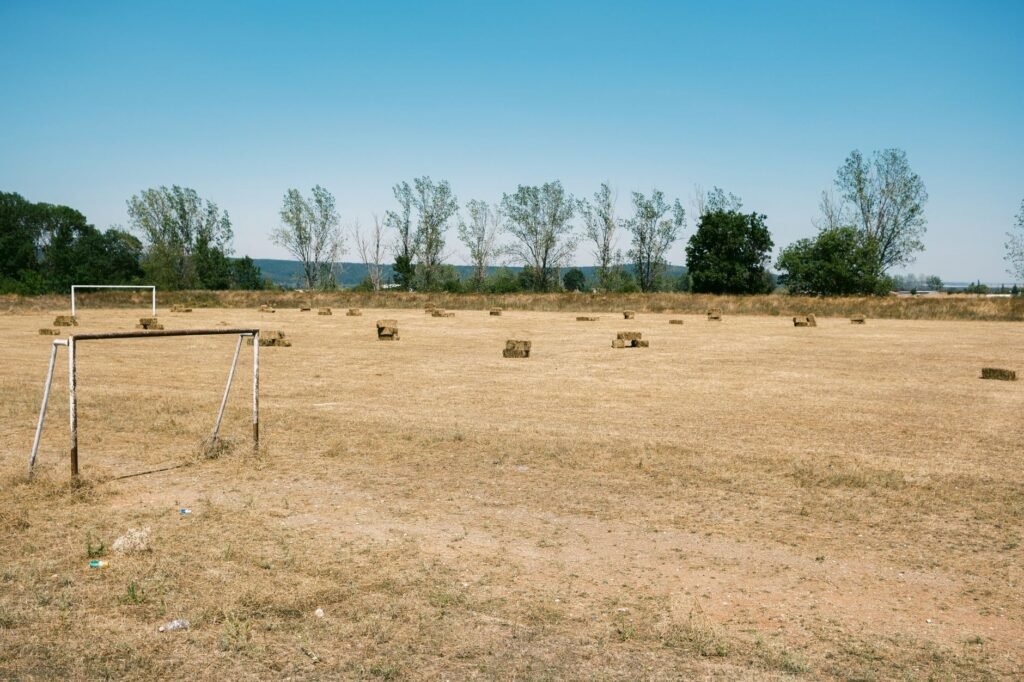
While some grass pitches in the region are already showing yellow patches, operators are preparing to restrict spraying to late night or early morning hours.
Impact on local sports facilities
Golf courses, including the Amsterdam Old Course near the Johan Cruijff ArenA, rely on local ditch water for irrigation.
Venues intend to comply strictly with the daytime restrictions and adapt to the dry conditions.
Football clubs using natural grass fields face similar challenges with returning teams ahead of the upcoming season.
Major events remain largely unaffected by the local daytime restrictions.
The upcoming hockey World Championship, based at the Wagener Stadion in the Amsterdamse Bos, falls just outside the water board’s geographical boundary.
However, organisers are still using water conservation tactics by relying on pre-filled storage basins and refilling them overnight as necessary to maintain safe artificial turf conditions.
City plans for dry summers
Most local football organizations now play on synthetic turf fields that do not require continuous watering.
Where watering is necessary, municipal officials explain that summer is the standard maintenance period, allowing clubs to switch activities to synthetic pitches if needed.
The city of Amsterdam has spent recent years adding underground storage basins beneath local sports fields to capture rainwater for dry periods.
Municipal staff plan to irrigate selected fields at night while continuing to upgrade sports grounds across the city to handle longer, drier summers driven by changing weather patterns.
Want to watch local sport? Browse our guide to sports events in Amsterdam.

![Top [count] Travel Blogs to Follow - OnToplist.com](https://www.ontoplist.com/images/ontoplist31.png?id=6a8dcf108f478)