
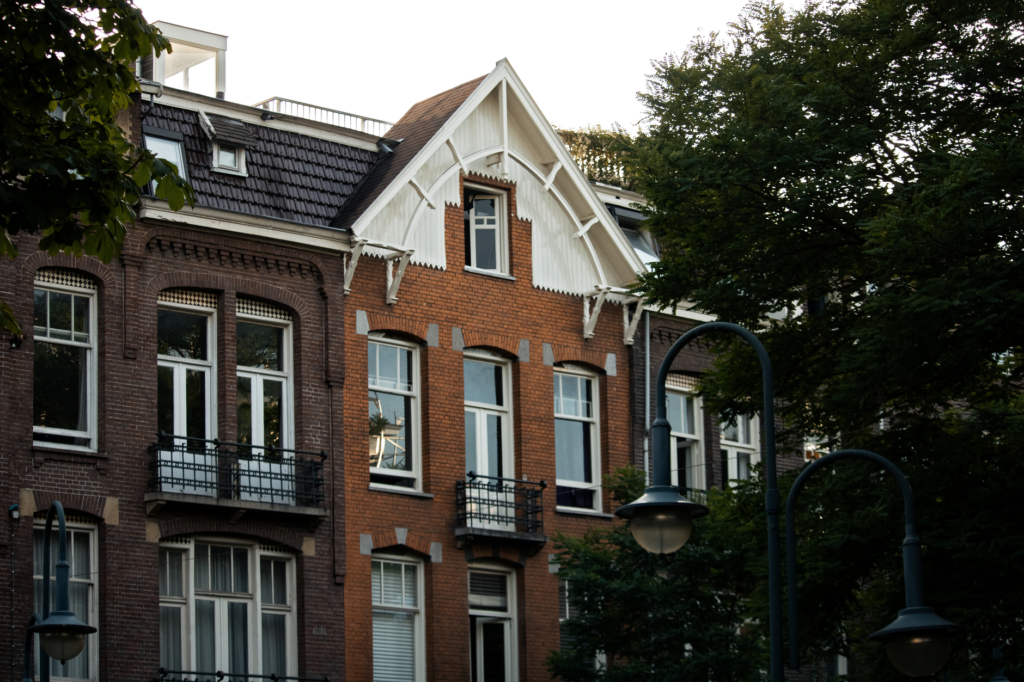
Scammers targeting students in search of housing are using increasingly sophisticated methods to trick room seekers, according to the national student union LSVb.
Fake listings accounted for 11 percent of the total reports received by the union in 2025, up from 9.3 percent the previous year.
Fraudulent ads are now widely distributed on platforms like TikTok and Facebook, often featuring stolen images of legitimate properties.
Evolving tactics make scams harder to spot
In the past, fake advertisements were easier to detect because they frequently used generic or non-existent photos.
Today, fraudsters post images of real apartments and generate convincing property descriptions using artificial intelligence tools.
In some cases, scammers pose as landlords over the phone or send video tours of actual rooms to gain a prospective tenant’s trust before asking for upfront payments.
International and first-generation students targeted
International students are particularly vulnerable to these schemes because they must secure accommodation from abroad and are often unfamiliar with local rules.
First-generation university students are also frequently targeted, as they may not know that advance administrative fees or broker charges for student housing are illegal.
The extreme shortage of student housing creates high pressure, making applicants eager to accept offers after experiencing repeated rejections.
While understanding the legal boundaries of housing can be tricky, knowing five surprising legal quirks of renting an apartment in the Netherlands can help tenants identify unusual landlord demands.
How student flat hunters can protect themselves
The LSVb strongly advises room hunters never to transfer money before signing a official rental contract.
Flat seekers can also perform a reverse image search on listing photos to check if the same pictures appear under different names across multiple websites.
Students who fall victim to fraud are encouraged to file an official report with the police, though the union stresses that resolving the underlying housing shortage is the only long-term fix.
Looking for a room? Read our guide to spotting rental scams in Amsterdam before you commit.

![Top [count] Travel Blogs to Follow - OnToplist.com](https://www.ontoplist.com/images/ontoplist31.png?id=6a8dcf108f478)