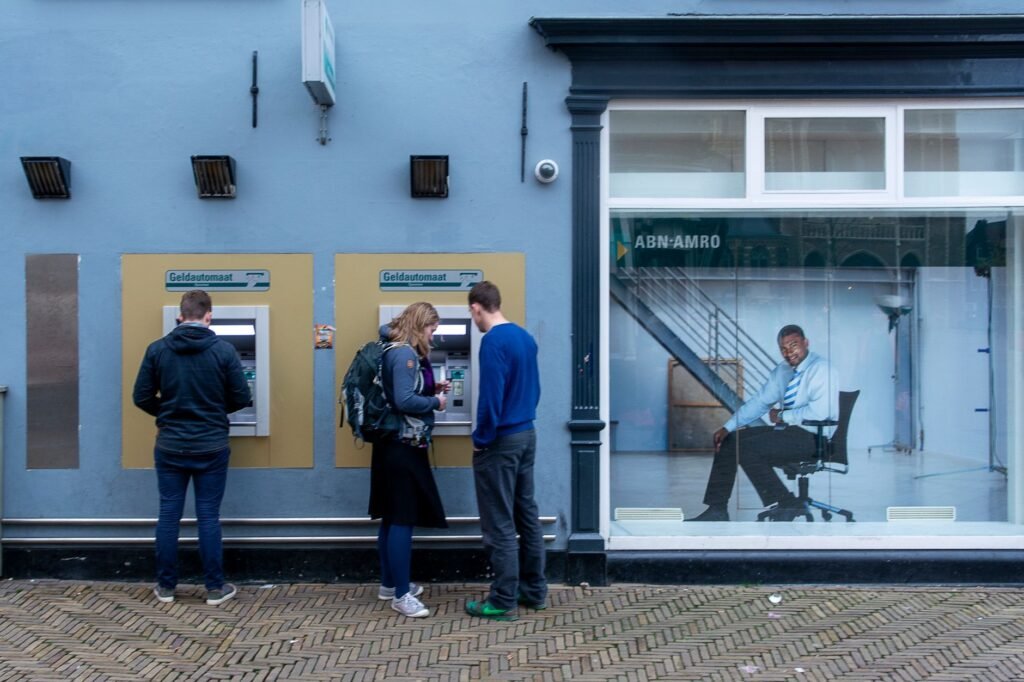
me Dutch state is approaching a full financial recovery from its 2008 nationalization of ABN Amro, thanks to a sharp rise in the bank’s stock price.
Shares recently crossed the €40 threshold, significantly increasing the value of the public stake and altering previous financial expectations.
As recently as late 2023, the Ministry of Finance cautioned lawmakers that recouping the full investment was unlikely anytime soon, projecting a final deficit of nearly €7 billion.
Surging stock prices
Since that warning, the bank’s share value has roughly tripled from its 2023 level of €13.20.
The Dutch government has gradually reduced its ownership over time, recovering €14.2 billion so far through phased share sales.
With the state still holding a 20.5 percent stake worth about €6.7 billion, total returns are now drawing near the €21.7 billion injected into the institution since the financial crisis.
Decade of gradual recovery
The state originally stepped in during October 2008, spending €16.8 billion to acquire ABN Amro, Fortis Bank Nederland, and the insurer now known as ASR to prevent a systemic collapse.
An additional €8 billion was poured into the banking operations in subsequent years to stabilize the businesses.
Although the bank re-entered the public market in 2015, the share price stagnated for years, stalling planned divestments until steady sales resumed in 2023.
Dividends collected over the years have largely offset the interest paid on the original government loans used to fund the rescue.
Budget impacts and constraints
Industry analysts attribute the recent stock price gains partly to the government’s diminishing ownership, which gives management broader flexibility to streamline operations and trim costs.
Speculation regarding potential consolidation within the European banking market has also boosted investor interest.
Despite the positive cash return, the financial boost will not help cover current national budget shortfalls, as European Union fiscal rules prevent one-off asset sales from reducing structural deficits.

![Top [count] Travel Blogs to Follow - OnToplist.com](https://www.ontoplist.com/images/ontoplist31.png?id=6a8dcf108f478)