
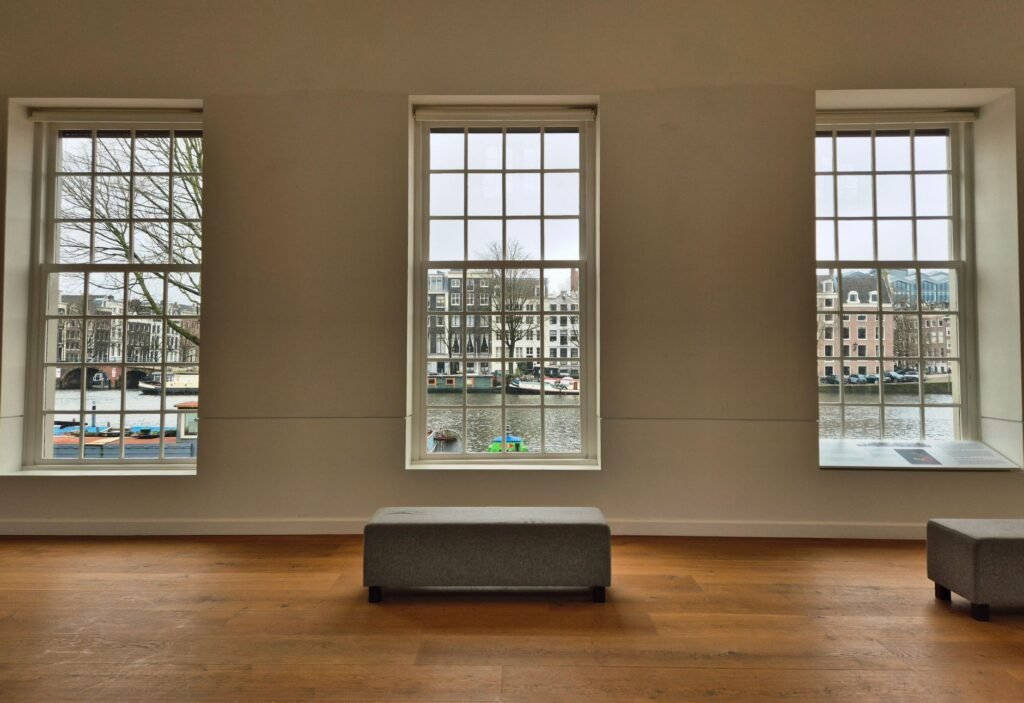
Queer Amsterdam opens Thursday at De Nieuwe Kerk, bringing together more than ninety objects and personal stories from four centuries of the city’s queer past.
The exhibition runs until April 4, 2027.
It also marks the official start of WorldPride 2026.
Visitors first see the church’s 1632 pulpit, where Hilletje Jans and Willem Adriaensz married that year.
An early marriage story
Willem had lived as Barbara only a few years earlier, cutting her hair short, wearing men’s clothes and serving as a soldier.
When this came to light the marriage was dissolved and he was banished from Amsterdam.
Director Annabelle Birnie linked the show to the present, noting that Amsterdam’s image as a free haven does not mean freedom comes easily to everyone.
Queer residents have shaped the city for centuries, sometimes openly and sometimes in hiding.
WorldPride connection
The opening coincides with the twenty-fifth anniversary of the Netherlands becoming the first country to legalize same-sex civil marriage.
Martijn Albers of Pride Amsterdam called WorldPride a chance to show both progress and remaining gaps.
The program includes international activists, scholars and a human rights conference.
The Canal Parade marks its thirtieth edition with eighty boats, and WorldPride ends on August 8 with a march to Museumplein.
Themes and voices
The route is both chronological and thematic, covering hidden love, community, emancipation, loss, the body, activism and the future.
Curator Hélène Webers noted that queer history often survives as stories rather than objects, since many lives left few traces.
Audio at eleven points lets visitors hear historical accounts that usually appear only as court cases or footnotes.
One section on the lost generation shows twenty-two mourning cards sent to a single person who lost that many friends to AIDS.
Art and schools
Thomas van Dun’s 2024 painting Sanctuarium hangs there; he made it after an HIV diagnosis at twenty and later won Project Rembrandt with the work.
The nine-month run allows space for schools.
Queer history is largely absent from Dutch textbooks, and University of Amsterdam research among tens of thousands of students found more than four in ten do not see LGBTQ+ people as equal to heterosexuals.
From September a free program for ages 14 and up will offer prep lessons, a tour and a creative assignment for secondary and vocational schools.
The show was developed with IHLIA LGBTI Heritage, whose chair Dino Suhonić described the archive as a counter-archive for lives left out of official histories.

![Top [count] Travel Blogs to Follow - OnToplist.com](https://www.ontoplist.com/images/ontoplist31.png?id=6a8dcf108f478)