
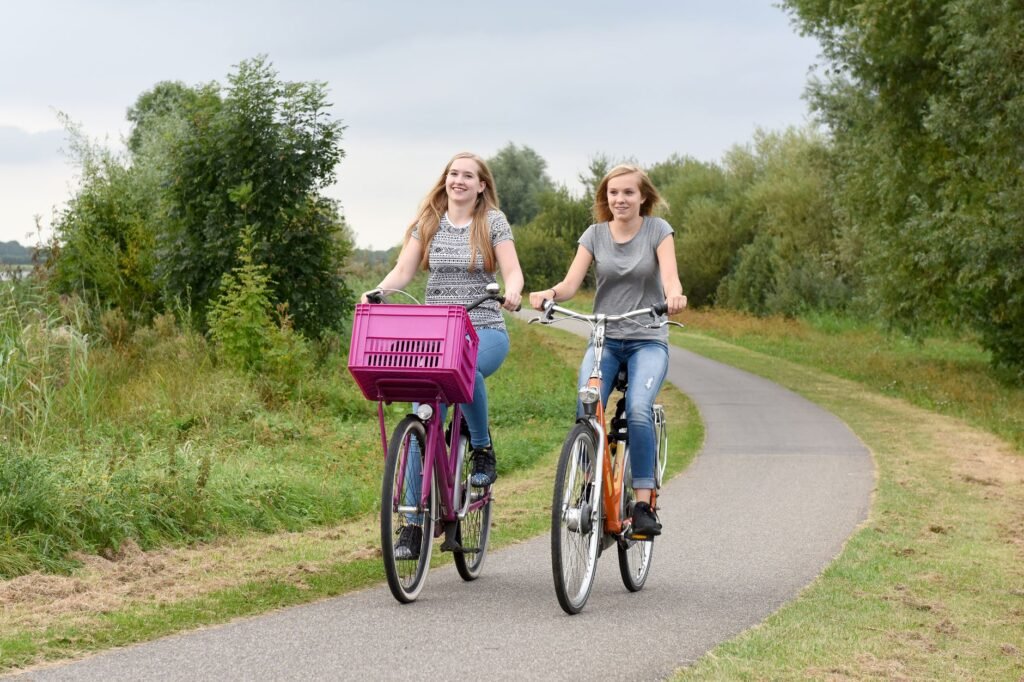
Following a dry and warm July, the first half of August is expected to bring summer temperatures and continued sunshine across the Netherlands, according to weather service Weeronline.
Highs across the country are reaching between 24 and 30 degrees Celsius, with temperatures climbing toward 33 degrees in southern regions.
While typical early August averages range from 22 to 25 degrees, upcoming weather patterns will keep conditions warmer than normal for much of the month.
Low rainfall worsens water deficits
A shift toward western winds later in the week will cool temperatures slightly, but rainfall is projected to remain minimal.
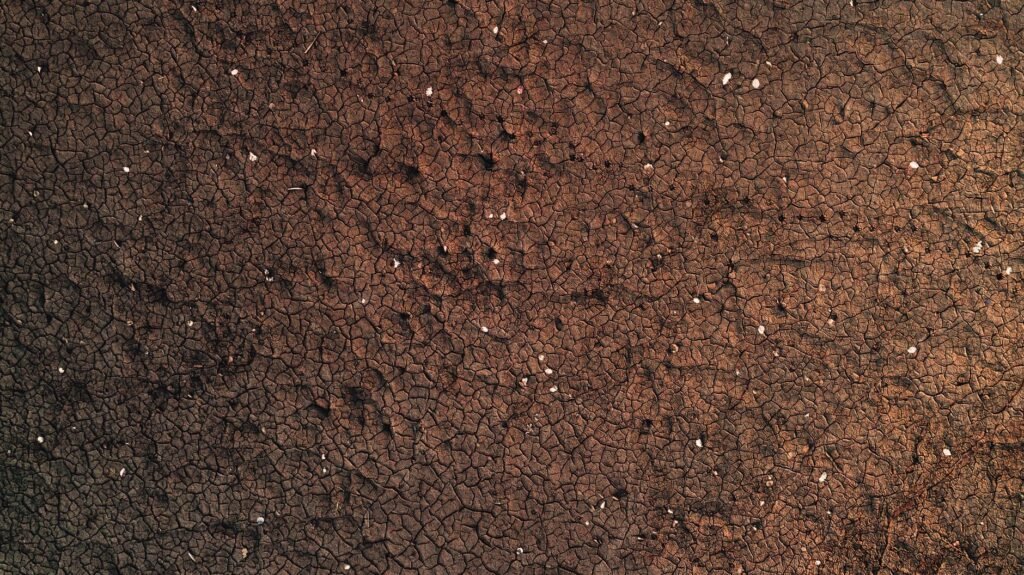
Drought conditions occur when the volume of water evaporating from the soil exceeds the amount replenished by rain.
The national precipitation deficit has reached 250 millimeters, approaching the record deficit set during the extreme drought of 1976.
Because of the dry conditions, water levels in major Dutch rivers remain exceptionally low, and brief local showers are offering little relief to groundwater levels.
Shifting patterns and an August eclipse
August is statistically the wettest month of the year in the Netherlands, but prolonged atmospheric blockages have pushed rain systems away while pulling warm air up from southern Europe.
Meteorologists note that climate change is making these extended dry stretches increasingly common during Dutch summers.
Skywatchers in Amsterdam and across the country will also have a chance to observe a partial solar eclipse on the evening of Wednesday, August 12.
Beginning at 7:15 p.m. and peaking around 8:11 p.m., the moon will cover nearly 90 percent of the sun, causing noticeable dimming while the sun sits low on the horizon.
Conditions late in the month
Long-range forecasts for the second half of August suggest a gradual return to normal temperatures between 20 and 23 degrees.
Rain chances are expected to rise later in the month, with coastal areas likely to see the highest frequency of passing showers due to warm waters in the North Sea.
However, meteorologists caution that these brief storms are unlikely to fully reverse the seasonal water shortage.

![Top [count] Travel Blogs to Follow - OnToplist.com](https://www.ontoplist.com/images/ontoplist31.png?id=6a8dcf108f478)