
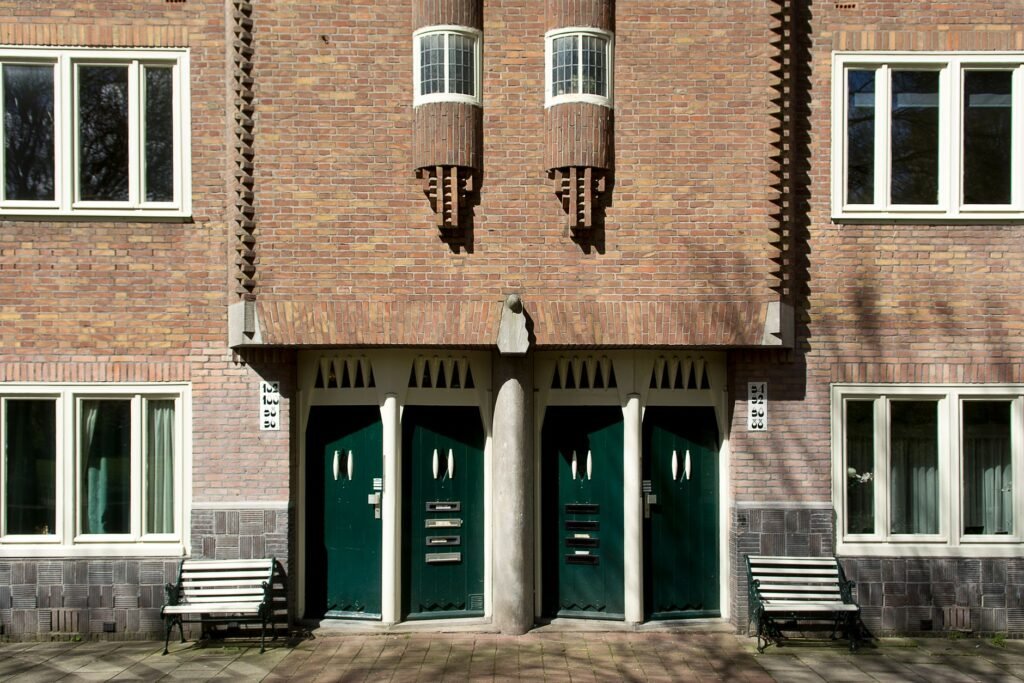
Amsterdam’s rental market splits into two worlds: the private market, and sociale huurwoningen - social housing with rents capped by law and let out through a public waiting list rather than the highest bidder.
Demand is enormous and the wait is long, often measured in years rather than months.
Understanding how the list works will not shorten it, but it will stop a newcomer from wasting time on the wrong process.
What Counts as Social Housing
A home counts as social housing when its monthly rent falls below a legal ceiling set by the national government and reviewed each year.
Above that ceiling, a property is a private rental and is let directly by a landlord or agency rather than through the waiting list.
Social units are owned by housing corporations (woningcorporaties), not private landlords.
For background on how the wider rental market is structured, the Amsterdam Housing Guide For Expats And Newcomers covers the private side of that split.
Who Qualifies
Eligibility is based on gross household income, and the government sets a maximum income ceiling that changes from year to year.
Households that earn above it are directed to the private market instead.
Age matters too: registration and most allocation rules only apply from 18 upward, and additional conditions apply to under-23s.
Because the ceiling and the fine print move annually, the only reliable source for the current figures is the Dutch government’s own housing pages at government.nl.
How the Waiting List Actually Works
Amsterdam’s social housing is allocated through WoningNet, the regional platform housing corporations use jointly rather than each running a separate list.
Anyone who qualifies creates an account and registers as a woningzoekende, a house seeker.
From that registration date, a person starts building up inschrijfduur - waiting years.
It is this accumulated registration time, not simply how long ago someone applied for a specific address, that decides who gets offered a given unit when it comes up.
Available homes are posted on WoningNet on a rolling basis, and anyone registered can react to a listing they qualify for.
The listing is then offered to the reacting household with the most waiting years, which is why people who will eventually need social housing are advised to register as early as legally possible, well before they expect to move.
Registering and Reacting
Registration itself happens directly on the WoningNet website for the Amsterdam region - Essentially Amsterdam cannot register a reader or submit reactions on their behalf.
There is usually a small annual fee to keep an account active.
Once registered, checking listings and reacting regularly is the reader’s own ongoing task, since waiting years only convert into an actual home if someone acts on a listing they qualify for.
Some households can also apply for urgentie (urgency status) through the municipality in specific hardship situations, which moves them ahead of the ordinary queue - that is a separate application, handled by the gemeente, not by WoningNet itself.
Housing Benefit Once You Have a Place
Tenants who qualify for social housing may also qualify for huurtoeslag, a monthly housing benefit from the national government.
To be eligible, a tenant must be over 18, rent an independent property, be registered with the gemeente at that address, and have income, capital and rent that fall under limits published by the Belastingdienst (the Dutch tax authority).
The benefit is applied for directly through the Belastingdienst, and the amount depends on personal income, household size and the rent itself.
Being properly registered at the address with the municipality is a condition of the benefit, which is also where address-registration steps like those covered in the Amsterdam Housing Rules Guide for Renters become relevant.
What This Means in Practice
For most newcomers, social housing is a long-term plan rather than a near-term option: the waiting years required to actually be offered a home in Amsterdam typically run into the years, not weeks.
Registering early, even before a move is imminent, is the only lever a household actually controls.
Everything else - checking the current income ceiling, reacting to listings, applying for urgency status or huurtoeslag - happens directly with WoningNet, the gemeente or the Belastingdienst, not through a newsletter or a guide.


![Top [count] Travel Blogs to Follow - OnToplist.com](https://www.ontoplist.com/images/ontoplist31.png?id=6a8dcf108f478)