
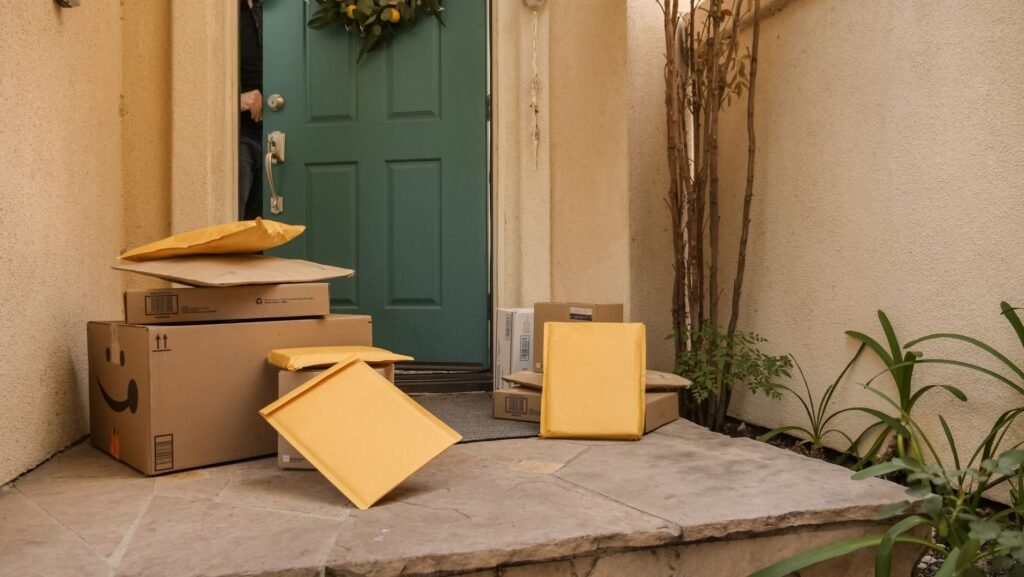
Nearly half of Dutch residents say they are buying items less frequently from Chinese retail platforms such as Temu, Shein, and AliExpress following the introduction of a new European import charge.
A survey conducted by RTL Nieuws found that 46 percent of respondents have scaled back their orders since July 1, 2026, when a flat fee took effect across the bloc.
New tariffs hit low-cost parcels
The updated rules impose a minimum fee of €3 per product category on incoming parcels valued at €150 or less, which were previously exempt from duties.
The policy shift was designed by EU authorities to curb the massive influx of cheap foreign goods that arrived on the European market after the United States raised its own trade tariffs against China.
Cross-border shopping had become widely popular across the Netherlands, with 47 percent of survey participants reporting that they had ordered from Chinese webshops and 20 percent doing so at least once a month.
Concerns over safety and quality
Despite the high usage, roughly 67 percent of Dutch respondents said they supported the new tax, citing widespread disappointment with product standards.
Around 73 percent stated that the cost-to-quality ratio was no longer worth it, while 33 percent specifically raised safety concerns regarding imported items.
Those safety worries mirror recent findings from consumer regulators; the Netherlands Food and Consumer Product Safety Authority previously warned that about half of non-EU imported toys examined presented choking hazards.
A smaller segment of respondents highlighted broader ethical issues, with 10 percent noting concerns over the environmental impact of ultra-fast fashion and 7 percent pointing to poor labor conditions in overseas factories.
Looking for an alternative to overseas orders? Explore where to shop in Amsterdam.



![Top [count] Travel Blogs to Follow - OnToplist.com](https://www.ontoplist.com/images/ontoplist31.png?id=6a8dcf108f478)