Open a Dutch account in your first weeks, because a Dutch IBAN is a precondition for almost everything else.
Salary, rent, health insurance, energy and your phone contract all expect one, and a foreign IBAN will be refused by several of them.
Cheques do not exist here and cash is genuinely marginal.
Daily life runs on a debit card, on iDEAL and on Tikkie.
Opening An Account
The standard current account is a betaalrekening.
To open one at ING, ABN AMRO or Rabobank you need a valid passport or EU ID card, proof of your Dutch address and your BSN.
Most applications are online, verified either in a branch or through iDIN, which confirms your identity using credentials from another Dutch bank.
ABN AMRO lets you complete the whole process online once you have the BSN and ID.
bunq will open an account before your BSN exists, which solves the circular problem of needing an account to get registered and registration to get an account.
You supply the BSN afterwards, and you must, because the bank is required to hold it.
You will also need a Dutch mobile number for verification codes, so arrange a SIM before the bank appointment rather than after.
What you get is an IBAN, a betaalpas and app access, usually within a week.
Which Bank
ING is the largest by customers, with the most branches and reliable English-language service.
ABN AMRO is the other default for internationals, largely because its online onboarding works in English end to end.
Rabobank has cooperative roots and is strongest outside the big cities.
All three offer current accounts, savings and mortgages.
bunq is the digital-first option, with multi-currency accounts and fast setup aimed squarely at internationals.
N26 and Revolut are licensed elsewhere in Europe rather than Dutch banks, and work well as a second account for currency and travel rather than as your main one.
Triodos and ASN Bank are the ethical choices, lending against sustainable projects rather than into fossil fuels.
Van Lanschot Kempen handles private wealth, and DEGIRO is the low-cost broker most people use for investing rather than a bank.
Dutch current accounts are not free: expect a monthly package fee at the traditional banks, revised annually.
Compare the current published prices before choosing, and check what a debit card and a second cardholder add.
The common arrangement among internationals is a traditional Dutch account for salary and direct debits, plus a digital account for foreign currency.
How Payments Actually Work
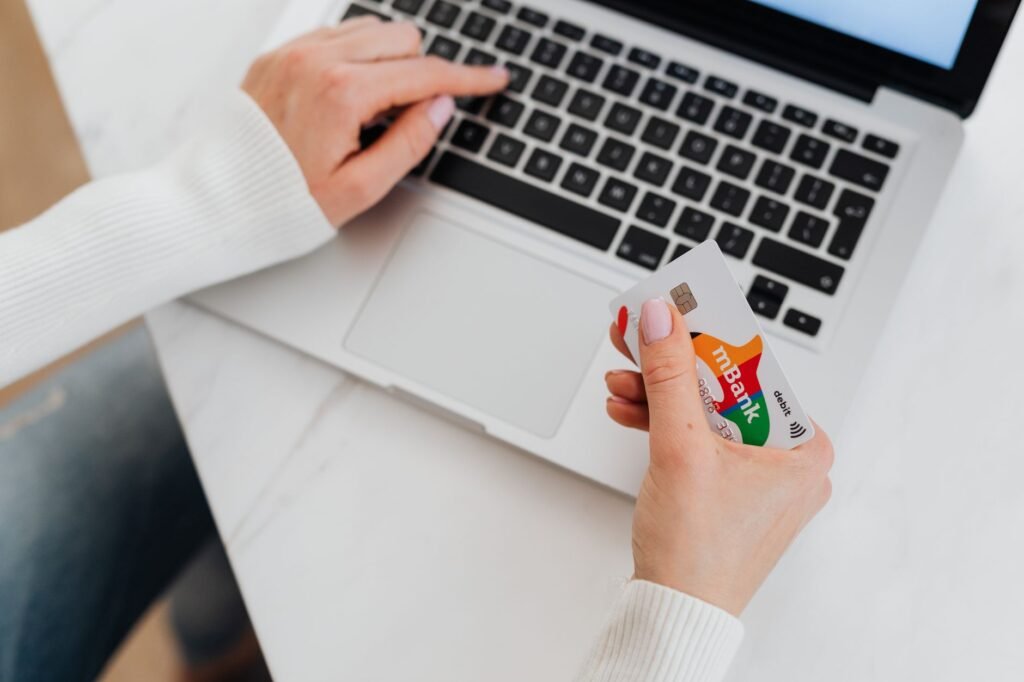
Your betaalpas, still universally called a pinpas, is the card you use for everything.
Dutch debit cards now run on Mastercard or Visa debit networks - the old Maestro and V Pay schemes have been withdrawn - so a modern Dutch card also works for online payments and abroad.
Credit cards are not part of daily life here.
Plenty of supermarkets, small shops and restaurants decline them, so treat a credit card as a travel and online-purchase instrument rather than a wallet card.
iDEAL is the Dutch online payment standard: you choose it at checkout, approve the payment in your banking app, and the money moves immediately.
Nearly every Dutch webshop uses it, as do utilities, the tax office and most government services.
Tikkie is a payment request sent by WhatsApp or text and settled through iDEAL.
Splitting a bill to the cent is normal here rather than rude, and a Tikkie for €4.50 is not a joke at your expense.
SEPA transfers move euros anywhere in Europe, usually the same day and often within seconds.
Standing orders and direct debits (automatische incasso) are how rent, insurance and utilities are paid, and you can reverse an incorrect direct debit yourself in the app within eight weeks.
Money Across Borders
Inside the SEPA area, euro transfers are cheap and standard at every Dutch bank.
Outside it - to the United States, for instance - the high-street banks charge a wire fee and add a margin to the exchange rate, which is the part people miss.
For regular or large transfers, compare a specialist against your bank before sending.
Revolut and N26 hold multiple currencies and convert at close to interbank rates during market hours; Wise, Atlantic Money and CurrencyFair compete on transparent per-transfer pricing.
Always compare the total received amount rather than the advertised fee.
A zero-fee transfer with a two per cent spread is more expensive than a five-euro transfer at the real rate.
Pair a card with no foreign transaction fee with your Dutch debit card for travel.
And read the Dutch tax rules on foreign accounts and assets, because holdings abroad are declarable here.
Frequently Asked Questions
Can a foreigner open a Dutch bank account?
Yes, with valid ID, a Dutch address and normally a BSN.
bunq will start the process before the BSN arrives, which is why it is so often the first account new arrivals open.
What documents do I need?
A valid passport or EU ID card, proof of your Dutch address, and your BSN.
Most banks also require a Dutch mobile number and an email address for verification.
Which banks suit internationals and students best?
ING and ABN AMRO for full-service banking with English support and wide ATM coverage.
bunq for speed and for opening before registration is complete.
How do the big three compare?
ING has the most customers and the most branches, ABN AMRO the smoothest English-language onboarding, Rabobank the strongest presence outside the Randstad.
All three cover current accounts, savings and mortgages on broadly similar terms.
Are Revolut and N26 real banks here?
They hold European banking licences and operate legally in the Netherlands, but they are not Dutch banks.
They are strong on multi-currency and transfers and do not offer Dutch mortgages or most local lending.
Is Chase available in the Netherlands?
Chase has no Dutch retail operation, so an American customer needs a separate Dutch account for daily life.
ING or ABN AMRO is the closest equivalent, with a multi-currency account alongside if you are running dollars and euros together.