
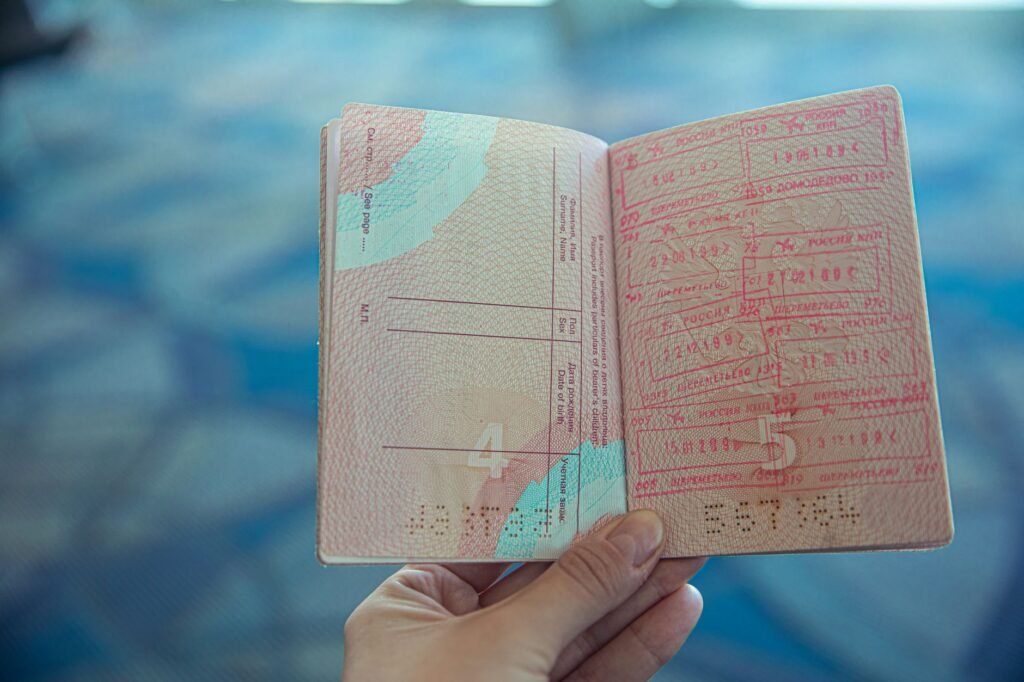
Any stay in the Netherlands longer than 90 days as a non-EU national requires a residence permit, a verblijfsvergunning, and the IND decides every one of them.
Which route you take is set by why you are coming - work, study, family, or your own business - and picking the wrong one costs months.
This guide covers who needs a permit, how the application actually runs, what documents and fees to prepare for, and what to do in the first week after you land.
For the wider picture, see the guide to expat life in the Netherlands.
Who Needs A Permit And Which Route Applies
If you are from outside the EU, EEA or Switzerland and staying beyond 90 days, you need a permit; a Schengen visa covers short trips only.
Most non-EU nationals also need an MVV, the entry visa collected at a Dutch embassy before travelling.
US citizens are exempt from the MVV requirement, as are nationals of Canada, Australia, Japan, New Zealand, South Korea and a handful of others, which means applying for the residence permit after arrival rather than before.
The Dutch government’s own page lists the current exemption.
The main categories are work permits - the highly skilled migrant permit and the combined single permit, the GVVA - study permits, family and partner permits, and self-employment permits including DAFT for US nationals.
If you are the non-EU family member of an EU citizen, you follow verification against EU law instead, which is a separate IND procedure and not a standard residence permit.
There is also the asylum track, which begins with a temporary asylum residence permit and can lead to a permanent one after the qualifying period.
If you are coming for work in the Netherlands, your employer usually determines which work route applies, because the choice depends on whether they hold recognised sponsor status.
How The Application Process Works
In most routes a sponsor starts the application on your behalf rather than you filing it yourself.
That sponsor is your employer, your university, or your Dutch partner, and they submit to the IND directly.
For the highly skilled migrant permit the employer must be an IND recognised sponsor, and recognised-sponsor applications are typically decided within two to four weeks.
Where the employer is not a recognised sponsor, the combined single permit (GVVA) bundles work and residence permission into one application instead.
US entrepreneurs applying under DAFT go the self-employment route, which is popular with anyone freelancing in the Netherlands because the capital requirement is low compared with the general self-employment permit.
If you need an MVV, the TEV procedure requests the entry visa and the residence permit together in a single application filed at the embassy or consulate.
After approval you collect the MVV sticker at the post, travel, and then pick up the residence permit card at an IND desk.
Students are normally sponsored by their university, which handles the visa filing and books the biometrics appointment.
Processing times diverge sharply: recognised-sponsor work permits move in weeks, while family reunification commonly runs three to six months because the IND verifies both income and the relationship itself.
Documents, Sponsor Requirements, And Costs To Prepare For
The exact list varies by route, but a core set recurs.
A passport with at least six months’ validity, passport photographs meeting Dutch specifications, and the completed application form are constant.
Proof of sufficient means is almost always required, usually a bank statement from you or your sponsor.
For partner and family permits the Dutch sponsor must earn at least the Dutch statutory minimum wage, and that income test is where these applications most often fail.
Some routes require an antecedents certificate or police clearance from your home country.
Some also require the civic integration exam, either abroad before the MVV or after arrival - the civic integration exam guide covers which.
Highly skilled migrants and students are generally exempt from it.
Fees vary by category, from roughly €210 for a study permit to over €1,000 for some partner and family permits, with MVV fees charged separately.
Budget separately for legalisation and sworn translation of birth certificates and diplomas, which is slow rather than expensive and is the usual cause of a missed filing date.
Start collecting months ahead for exactly that reason.
What To Do After You Arrive
Register with your gemeente first, because that appointment issues the BSN everything else runs on.
Bring your passport, birth certificate and rental contract - the BSN number guide covers the full document list and the landlord’s permission statement.
Collect your residence permit card at the IND desk if you have not already.
The IND schedules the biometrics appointment, photograph and fingerprints, either shortly before or just after arrival, and the physical card is your proof of lawful stay for everything from a lease to a border crossing.
Open a Dutch bank account once the BSN exists, which needs the number, valid ID and proof of address - the banking in the Netherlands guide compares the providers.
Arrange Dutch health insurance, which is compulsory for anyone living or working here and carries a four-month deadline from registration.
Register with a local GP in the same week, because practices work to postcode catchments and fill up, and finding one while ill is far harder than finding one while well.
If you are settling in Amsterdam, the guide to Amsterdam covers neighbourhoods and local services.
Frequently Asked Questions
What documents and eligibility requirements are needed to apply for a Dutch residence permit?
A valid passport, passport photographs, proof of sufficient means, and in many routes a police clearance from your home country.
Depending on the category you may also need proof of housing, a sponsor declaration, and evidence of passing the civic integration exam.
What are the main types of residence permits available in the Netherlands, and who qualifies for each?
Work permits including the highly skilled migrant permit, the GVVA and the EU Blue Card; study permits; family reunification and partner permits; self-employment permits including DAFT; and asylum permits.
Non-EU family members of EU citizens follow verification against EU law rather than any of these.
How does the application process work for non-EU citizens moving to the Netherlands?
Most non-EU nationals apply for the MVV and the residence permit together through the TEV procedure.
US citizens are exempt from the MVV requirement and apply for the residence permit directly.
Either way a sponsor - employer, university or Dutch partner - normally initiates it with the IND.
What is the typical processing time for a spouse or partner residence permit in the Netherlands?
Three to six months is normal, and applications routed through an embassy for an MVV take longer because of scheduling there.
Family permits run slower than work permits because the IND examines both the sponsor’s income and the evidence for the relationship.
How can an unmarried partner qualify for a residence permit to live in the Netherlands?
You must demonstrate a genuine and lasting relationship, typically with shared travel history, sustained communication records and a notarised cohabitation agreement.
The Dutch sponsor must meet the income requirement and register the partnership with the gemeente.
If the relationship ends while you hold the permit, take advice quickly, because a dependent permit is tied to it - legal resources in the Netherlands is a starting point.
How can international students transition from a Dutch student permit to permanent residence?
On finishing your studies you can apply for the zoekjaar orientation permit, which gives twelve months to find work without an employer sponsoring you.
Find a job in that window and you switch to a work-based permit; five continuous years of legal residence then opens permanent residence.
You will need the civic integration exam for that final step, so learning Dutch while you are still a student is the cheapest time to do it - these Dutch language courses in Amsterdam are where to start.
![Top [count] Travel Blogs to Follow - OnToplist.com](https://www.ontoplist.com/images/ontoplist31.png?id=6a8dcf108f478)