
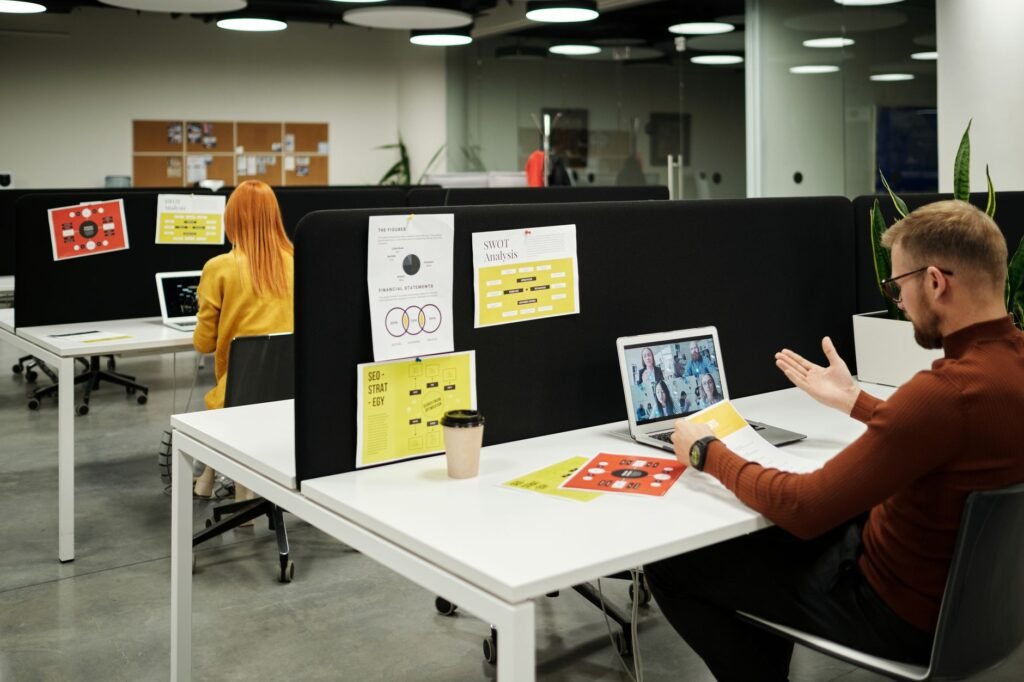
A new survey of Dutch employees has found that roughly one in three workers sees the job they do as meaningless.
The finding comes from the annual State of Working Netherlands report (Dutch link) by HR consultancy Realise, based on responses from 1,100 people.
Staff between the ages of 30 and 45 reported the heaviest strain.
A quarter of workers in that age group said they had too much work to complete in the time available.
Overwork and purpose
For one in ten employees overall, that sense of overload came up often.
Among 30-to-45-year-olds, 25 percent said they did not think their work mattered.
More than 30 percent described what they do as meaningless.
Two-thirds of everyone surveyed said they had considered looking for another job over the past year.
Why people switch
Realise director Marijke van Sluisveld told De Telegraaf that attracting staff is only half the job in a labor market that is still tight and where roles keep changing.
Making sure people want to stay is at least as important, she argued.
The content of the work topped the list of reasons for switching jobs.
A lack of recognition and appreciation, plus awkward business processes, also drove people away; salary ranked only fifth.
Support and leadership
Van Sluisveld noted that the generation keeping many companies running often feels the least supported by the organization itself.
Employees will put up with high pressure when the atmosphere and leadership feel right, the research suggests.
On the positive side, more than 80 percent felt connected to their colleagues and 84 percent felt accepted at work.
Fewer than half believed their managers set a good example.
The pattern matters in a city like Amsterdam, where mid-career staff form a large share of the daily workforce and employers compete to hold on to them.
It also sits against a national backdrop in which the Dutch government continues to treat labor shortages as a lasting concern.


![Top [count] Travel Blogs to Follow - OnToplist.com](https://www.ontoplist.com/images/ontoplist31.png?id=6a8dcf108f478)