
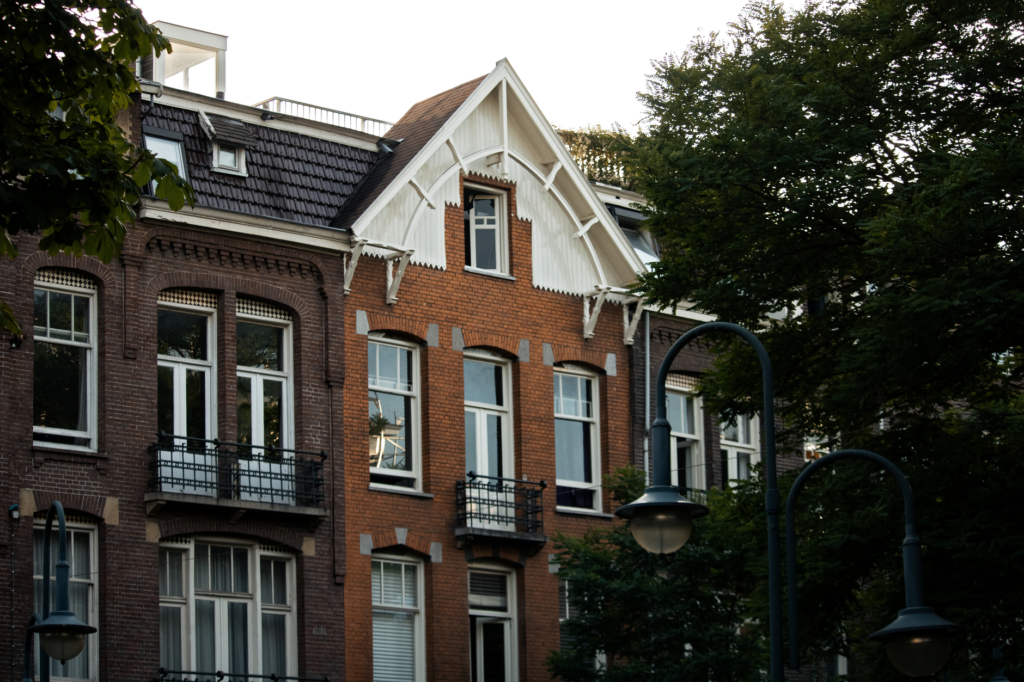
A draft regulation now before parliament would require every rental home in the Netherlands to carry an energy label of at least D by 1 January 2029.
Homes still rated E, F, or G could no longer be let out after that date, and landlords who keep renting them risk penalties.
Housing minister Elanor Boekholt-O’Sullivan sent the proposal to both the House of Representatives and the Senate.
The cabinet says the rule is meant to raise the basic quality of rented housing, give tenants more predictable energy costs, and support national climate goals.
Who is covered
The obligation would apply across the private and social rental sectors unless a property falls under a listed exemption.
Historic buildings, temporary rentals, and small detached dwellings such as houseboats are among the cases that would sit outside the new minimum.
For everyone else, labels E, F, and G would be phased out completely by the 2029 deadline.
Support for landlords
Officials note that better energy performance can make a property more durable and may raise its long-term value.
Landlords are also expected to have ways to recover part of the upgrade costs over time.
A national subsidy scheme already lets owners claim up to €15,000 per home for sustainability work, including steps that improve the energy label.
That scheme runs until 2030 and is administered through the national government.
What renters can expect
If the regulation becomes law, tenants in older, poorly insulated stock should see gradual upgrades before the deadline.
Lower energy bills and more comfortable indoor temperatures are the practical outcomes the ministry has highlighted.
Amsterdam’s large rental market means many local households and landlords would feel the change once the rules take effect.
The text still has to pass both chambers, so the final wording and any extra exemptions could still shift.
If you own a rental property, start with our guide to renovating a home in the Netherlands.

![Top [count] Travel Blogs to Follow - OnToplist.com](https://www.ontoplist.com/images/ontoplist31.png?id=6a8dcf108f478)