
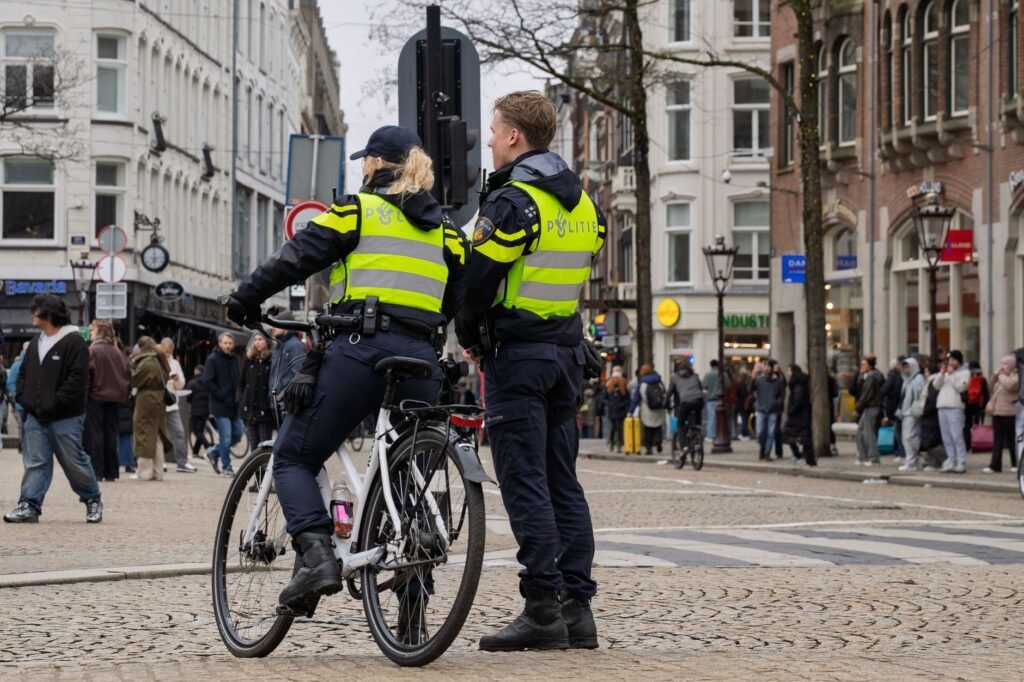
Official reports of public nuisance caused by homeless individuals, drug users, and people exhibiting confused behavior have increased dramatically in Amsterdam over the past decade.
Figures from police, municipal databases, and Statistics Netherlands show sharp rises across several categories, particularly regarding public drug use and homelessness in neighborhoods like the Oosterparkbuurt and parts of Nieuw-West.
Police records show reports concerning unhoused individuals rose from 423 in 2016 to nearly 5,000 in recent tracking, while complaints related to public alcohol and drug use more than tripled over the same period.
Surging figures across city data
Municipal reporting channels have seen a similar pattern, with complaints regarding begging and street sleeping growing from 476 in 2021 to over 3,600 recently.
Police calls regarding individuals displaying confused behavior also doubled over ten years, climbing past 11,000 annual reports.
Residents and business owners in affected areas have expressed growing frustration over open drug use, litter, and property crimes, prompting local merchant groups near the Dappermarkt to hire private security guards to patrol public streets.
Questions over data accuracy
Despite the steep increase in official records, researchers in sociology and psychiatry caution against concluding that street conditions have deteriorated to the extent the numbers suggest.
Experts note that public reporting categories are broad and subjective, with police data for confused behavior encompassing everything from elderly individuals with dementia to intoxicated football supporters and people experiencing acute mental health crises.
Furthermore, multiple complaints submitted to the municipality often cite the exact same individual or incident, artificially inflating the total count without reflecting unique events.
Changing standards of tolerance
A more stable indicator of severe incidents is the number of emergency care orders issued by the Mayor of Amsterdam, which has remained steady at roughly 1,000 per year for the last decade.
Sociologists suggest the surge in complaints may reflect shifting public tolerance and increased media focus rather than a proportional rise in harmful behavior.
As municipalities create dedicated hotlines and specific labels for minor street disruptions, residents become significantly more likely to report behaviors that were previously ignored or accepted as typical aspects of urban life.

![Top [count] Travel Blogs to Follow - OnToplist.com](https://www.ontoplist.com/images/ontoplist31.png?id=6a8dcf108f478)