
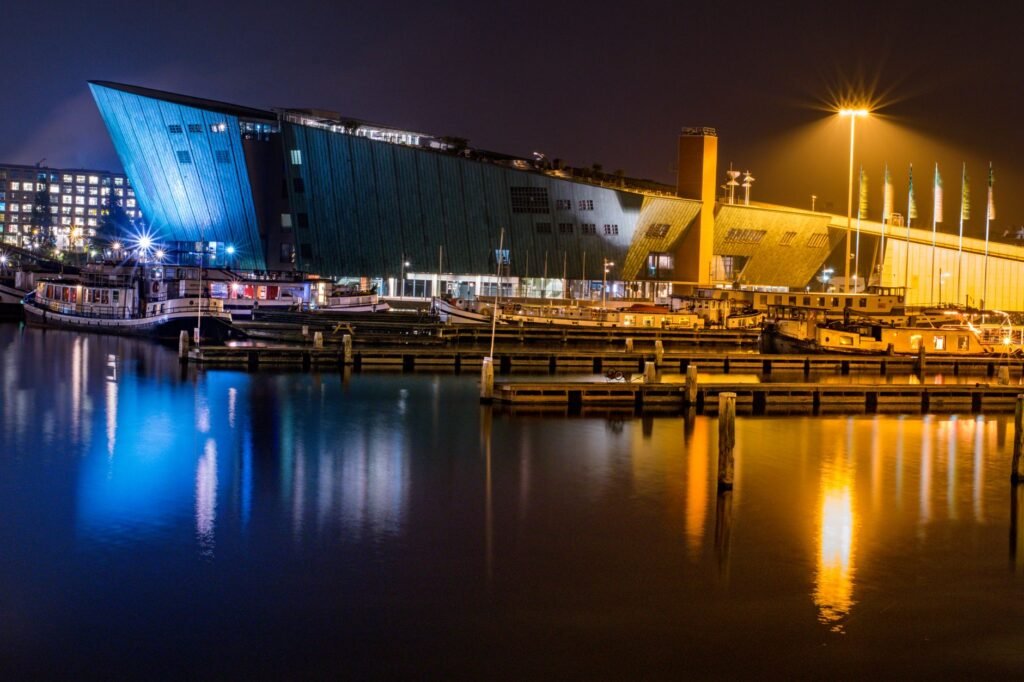
NEMO Science Museum has opened Game On, an exhibition on how video games shape daily life and the roles they play in science, art, and social connection.
Games influence free time, the way people meet, communicate, collaborate, express themselves, and compete.
Technology has made games smarter, more creative, and more versatile, with new ways to play and to learn.
Visitors can try games themselves, from a 1992 Nintendo console up to the PlayStation 5.
Open to every visitor
The show is for daily players and for anyone who has never held a controller.
It follows how technology has changed gaming over the years and treats games as an art form.
Other parts look at creativity, problem-solving, the social side of play, and the challenges gaming can bring.
Scientific research on games’ effects on emotions, behavior, and pain perception is also covered.
Hands-on activities
The Werkplaats workshop area is devoted to gaming as well.
In a project with Cinekid and Copotato, visitors can build their own game level.
A game created by students from the Hogeschool van Amsterdam is on hand, with a look at how they made it.
Cases on careers in the industry come from a collaboration with Guerrilla Games.
Game language tools
NEMO Kennislink and the Institute for the Dutch Language have made a free digital dictionary of game terms, Van noob naar pro.
It covers abbreviations and verbs such as AFK, DLC, GG, looten, farmen, and unlocken.
Related articles online explore gaming and the brain, how parents can stay involved, and the value of playing together.
Play as science
The exhibition fits NEMO’s wider theme of play, framed as science in action rather than a distraction.
Playing means experimenting, testing what works, and learning from mistakes.
NEMO is developing this focus with artist in residence Mary Flanagan.
Game-themed T-shirts and rompers are on sale in the museum shop.



![Top [count] Travel Blogs to Follow - OnToplist.com](https://www.ontoplist.com/images/ontoplist31.png?id=6a8dcf108f478)