
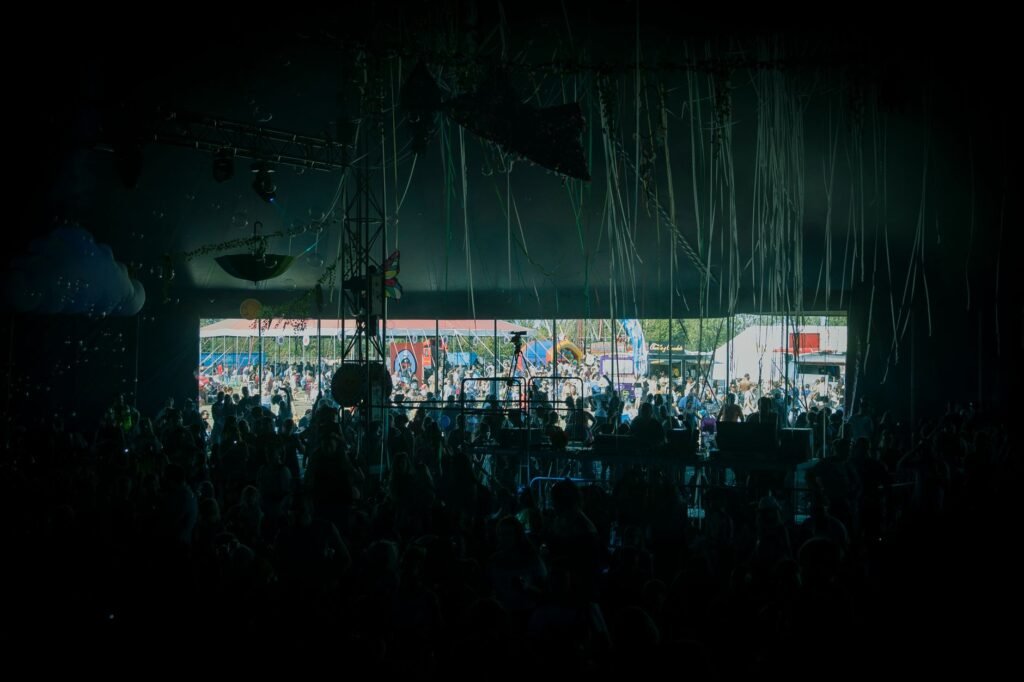
Resale platform TicketSwap has introduced a feature that allows event organizers to set minimum prices for secondhand tickets.
The feature was recently noticeable during the Milkshake festival in Amsterdam, where secondary market ticket prices remained significantly higher than in previous years.
How the new resale model works
Under the new Organiser Resale model, event planners can choose to establish a price floor for their events.
When a minimum limit is active, sellers cannot list their tickets below that predetermined price point.
For the recent Milkshake festival, organizers set the limit at 80 percent of the original face value.
This structure prevents the steep price drops that typically happen right before an event starts or during poor weather.
Industry pressure and economic shifts
The change comes after years of criticism from the live music sector regarding third-party ticket resale platforms.
Industry groups like the VNPF have long argued that secondary platforms profit from event scarcity without supporting the cultural sector directly.
TicketSwap states that the optional tool is designed to support event organizers facing rising operational costs and reduced primary ticket sales.
By preventing deep last-minute discounts, organizers hope to protect the perceived value of their advance tickets and encourage early buying.
Potential impact on festival culture
Last-minute discounted tickets have historically made large summer events more accessible to casual attendees and budget-conscious fans.
With primary ticket prices rising across the country, removing cheap resale options could lead some consumers to skip events altogether.
Fewer attendees at the gate could also impact festival revenues from food, drinks, and venue services on site.

![Top [count] Travel Blogs to Follow - OnToplist.com](https://www.ontoplist.com/images/ontoplist31.png?id=6a8dcf108f478)