
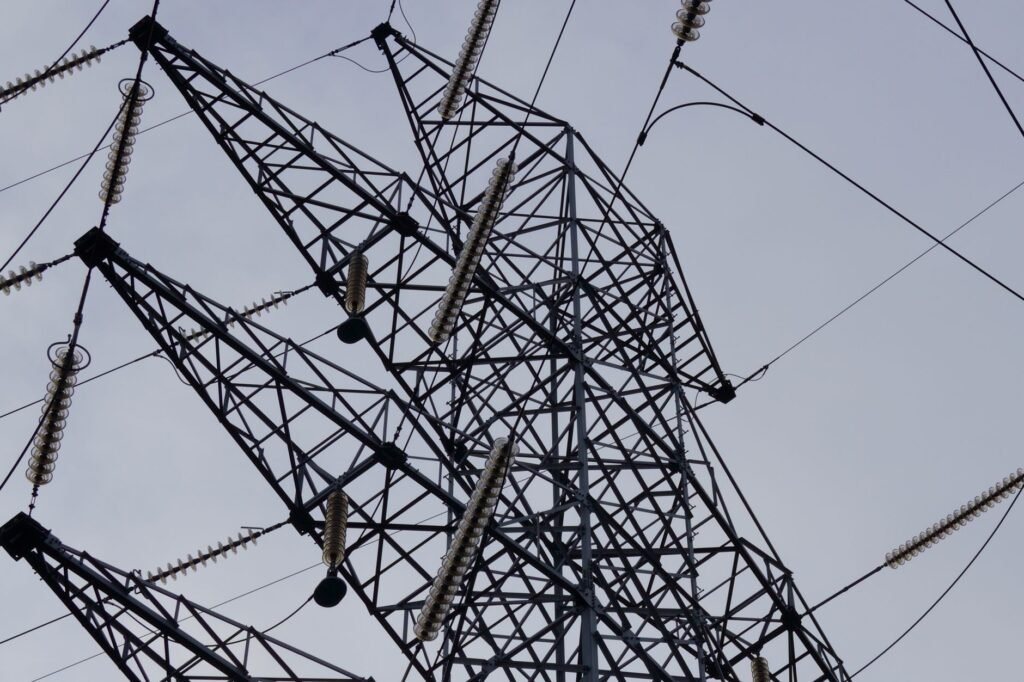
The Netherlands and Belgium have officially opened a new high-voltage power line designed to increase the electricity flow between the two countries by 30 percent.
Known as the Brabo III project, the infrastructure connects the harbor in Antwerp to the Rilland high-voltage station in Zeeland across the Dutch border.
Grid relief and energy security
The new connection aims to reduce strain on the regional electricity grid while helping lower power costs in both nations.
It allows the Netherlands to export up to 30 percent more solar and wind energy during periods of high production, while also enabling higher imports when domestic demand peaks.
Grid operators built the project over a decade, which included constructing two 192-meter-high electricity masts near the Kallosluis in Belgium.
Addressing the launch, officials emphasized that strengthening cross-border grid connections has increasingly become a critical element of European energy security.
Broader grid challenges
Belgian authorities highlighted that the power line will act as a vital industrial artery, supplying major industrial sites such as BASF and Ineos.
The expansion comes at a time when electricity grids across the region are under growing pressure from rising demand and expanded renewable generation.
Grid operators have repeatedly warned about network saturation, with Dutch cities like Utrecht freezing new high-voltage grid applications as local networks reach their maximum operational limits.

![Top [count] Travel Blogs to Follow - OnToplist.com](https://www.ontoplist.com/images/ontoplist31.png?id=6a8dcf108f478)