
Sweltering temperatures have accelerated insect reproduction across North Holland, producing a clear rise in household pest problems this summer.
When daytime heat stays above 25 degrees Celsius, many species move from egg to adult more quickly, so colonies can expand in a short span of time.
The Kennis- en Adviescentrum Dierplagen says it has seen a jump in inquiries from people dealing with infestations.
Local pest control firms report the same pattern of higher demand.
Ants indoors
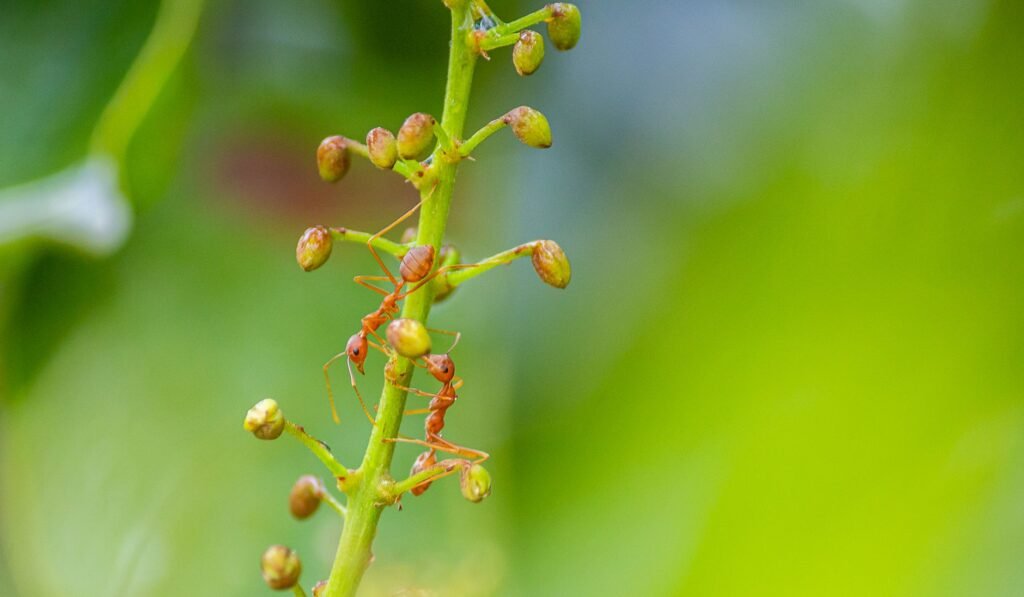
Ants are causing the most immediate trouble for residents.
Warm conditions help colonies grow fast, and the insects then move inside looking for food.
A single crumb or sweet drink is often enough to draw long trails into kitchens.
Reports have come from Haarlemmermeer, the Gooi, IJmond, Noordkop and Texel, the Schiphol area, West-Friesland, and Zaanstreek-Waterland, all within the province of Noord-Holland.
Moths and pantry pests
Food moths are also increasing.
They lay eggs in dry goods that keep well, such as rice, flour, pasta, and nuts.
Heat shortens the time eggs take to hatch and larvae need to mature, so adults spread through homes and start new cycles sooner.
Clothing moths pose a separate issue: their larvae chew holes in wool, carpets, fur, and other fabrics, while the adult moths themselves do no direct damage.
Flies, mosquitoes, wasps
Meat flies and carrion flies thrive in the heat and gather around food scraps, trash bins, and compost.
Mosquitoes develop quickly in warm weather too, but they still need standing water to breed, so rain barrels, buckets, and leftover puddles can fuel a rapid rise.
Wasp activity has stayed relatively quiet so far.
Nests are still building, and larger problems usually appear later in the season once colonies grow and the insects become more aggressive.
Simple steps at home
Experts advise keeping dry foods in airtight jars or containers.
If larvae or webbing show up in a package, throw it out at once rather than trying to salvage the contents.
Clearing scraps, sealing bins, and emptying small water sources can also limit the places insects use to feed and breed while the warm spell lasts.



![Top [count] Travel Blogs to Follow - OnToplist.com](https://www.ontoplist.com/images/ontoplist31.png?id=6a8dcf108f478)